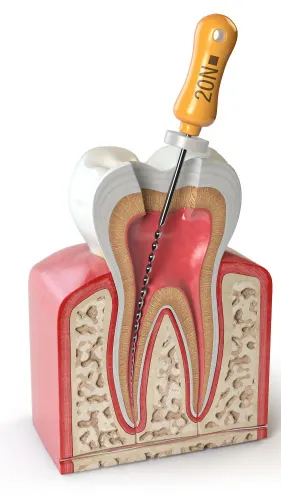
Losing a permanent tooth can affect more than the appearance of a smile. Depending on its position, a missing tooth may influence chewing, speech, bite stability, neighbouring teeth. A Tooth Implant in Kharadi is one possible method of replacing a missing tooth when the patient has suitable oral health plus adequate supporting bone.
Dental implant treatment should be planned individually. The number of missing teeth, bone condition, gum health, medical history, smoking status, bite forces can all influence suitability.
What exactly is a tooth implant?
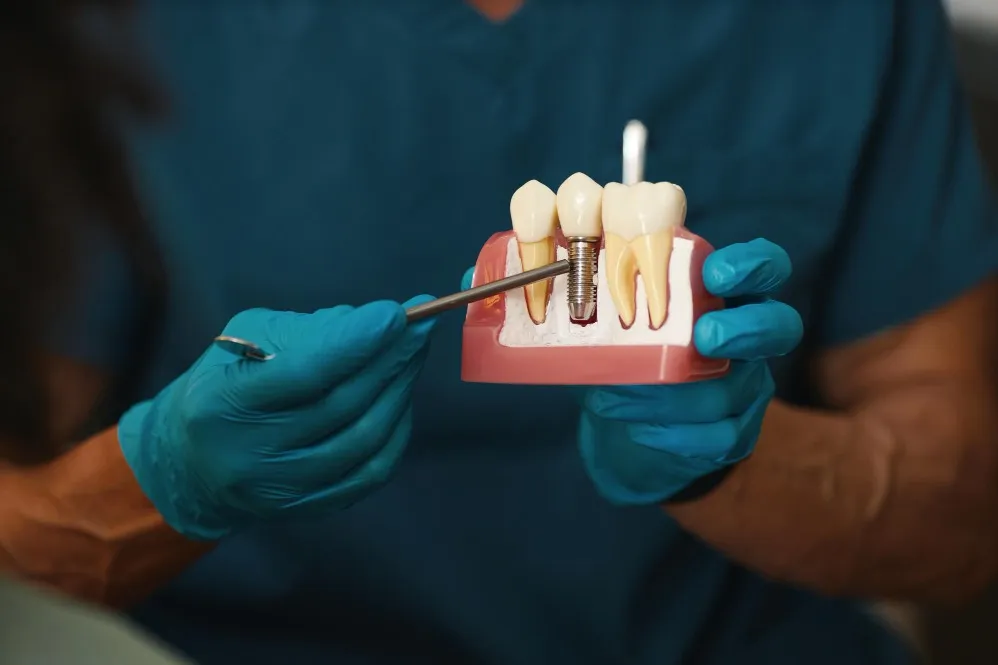
A dental implant is an artificial fixture placed within the jawbone to support a replacement tooth. After appropriate healing, a dental crown is attached to the implant through a connecting component.
The implant itself sits below the gumline, while the final crown forms the visible replacement tooth.
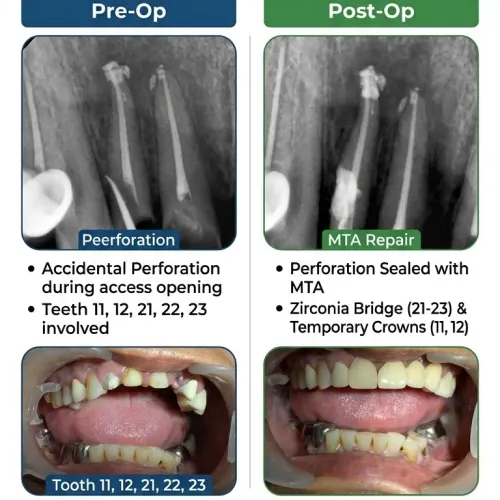
Implants can also be used in selected cases to support larger prosthetic restorations when multiple teeth are missing.
Why may someone consider an implant?
One important feature of implant treatment is that a missing tooth can often be replaced without preparing adjacent healthy teeth solely to support that replacement.
A dental implant may be considered when
- One permanent tooth is missing
- Several teeth are absent
- A tooth cannot be predictably restored
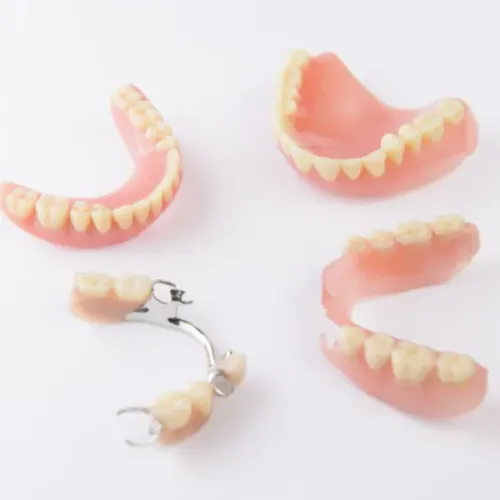
- A removable replacement is unsuitable for a particular patient
- Additional support is required for certain dental prostheses
Suitability cannot be determined simply from the presence of a gap.
Bone condition plays an important role
Dental implants depend on the surrounding bone for support. After a tooth is lost, changes can gradually occur in the jawbone at that site.
Before treatment, the dentist assesses the height, width, quality, anatomy of the available bone. Dental imaging may be required for detailed planning.
Some patients have adequate bone for implant placement. Others may require additional procedures before or during implant treatment. The exact approach depends on the individual site.
What happens during implant treatment?
The first stage is a detailed dental evaluation. The dentist reviews the missing tooth area, gums, bite, neighbouring teeth, relevant medical information.
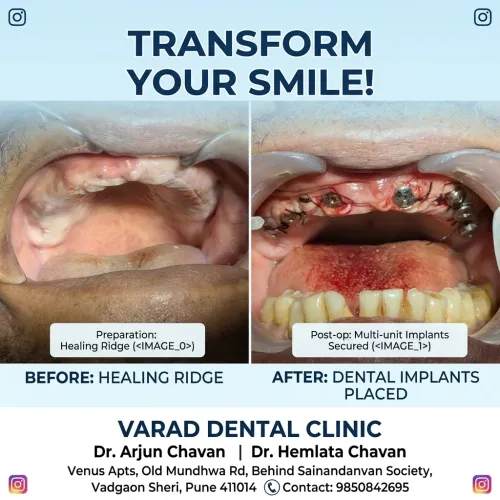
If implant treatment is suitable, the implant fixture is surgically positioned within the planned area of the jaw.
Healing is then allowed so that the implant can become stable within the surrounding bone. Healing time differs according to the clinical situation.
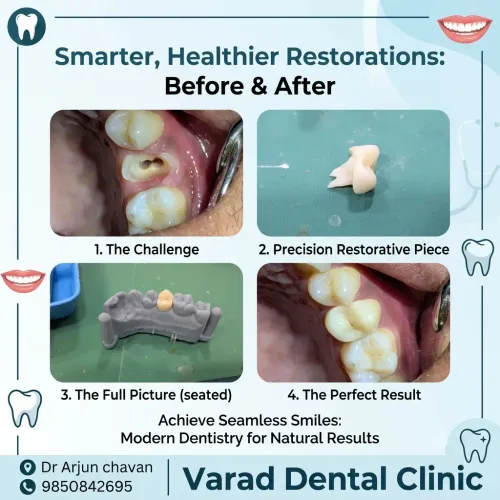
After appropriate healing, the restorative stage begins. Measurements or digital records are taken for the replacement crown. The final restoration is then fitted after checking its bite, appearance, contact, accessibility for cleaning.
Is implant treatment completed in one visit?
Patients frequently assume that the implant plus final tooth are always completed immediately. In many cases, implant dentistry involves several stages spread across a healing period.
The timeline may depend on
- Bone condition
- Implant stability
- Healing response
- Need for additional procedures
- Location of the missing tooth
- Type of final restoration
A personalized treatment plan should explain these stages before treatment begins.
Maintaining an implant after treatment
Dental implants cannot develop tooth decay in the same way as natural tooth enamel, but the surrounding gum plus bone still require proper care.
Plaque accumulation around an implant can contribute to inflammation. Daily brushing, cleaning between teeth, professional dental reviews are therefore important.
Smoking, uncontrolled systemic conditions, inadequate plaque control may also influence long-term implant health.
Making an informed decision
A missing tooth can have several replacement possibilities. The most appropriate option depends on the condition of the mouth rather than the popularity of a particular treatment.
People considering a Tooth Implant in Kharadi can benefit from an assessment that examines bone support, gum health, bite, neighbouring teeth before a treatment recommendation is made. Varad Dental Clinic provides evaluation plus treatment planning based on these individual clinical factors, helping patients understand each stage before proceeding.
Keywords