Tooth pain is one of the most common reasons people visit a dentist, but not every toothache requires the same treatment. In some cases, pain may disappear for a while, leading people to believe the problem has resolved on its own. Unfortunately, this is not always true. When the inner part of a tooth becomes infected, the condition usually progresses unless it is treated properly. Root Canal Treatment is often recommended to remove the infection while preserving the natural tooth.
For residents of Wagholi, recognising the warning signs early can help avoid unnecessary complications and reduce the risk of losing a tooth.
Why Does a Tooth Need Root Canal Treatment?
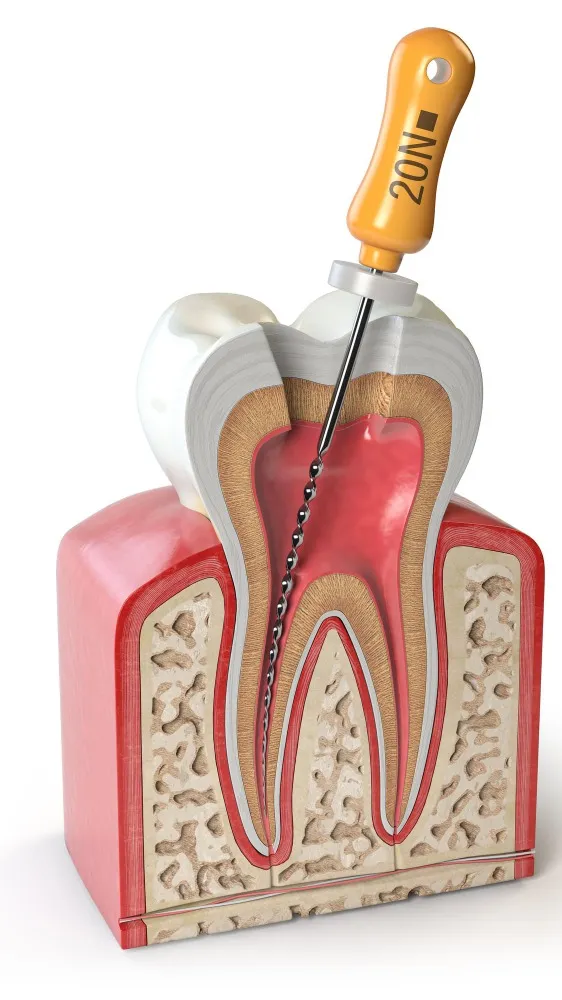
Inside every tooth is a soft tissue called the pulp, which contains nerves and blood vessels. Deep cavities, untreated cracks, repeated dental procedures, or injuries can allow bacteria to reach the pulp. Once infection develops, the tooth cannot heal on its own.
Instead of removing the tooth, a root canal removes the infected pulp, disinfects the canals, and seals the tooth so it can continue functioning normally.
Sign 1: Persistent Toothache
A tooth that aches continuously or repeatedly should never be ignored. The pain may become stronger while eating or even occur without any obvious reason.
Persistent discomfort often indicates that the infection has reached deeper layers of the tooth.
Sign 2: Long-Lasting Sensitivity
Temporary sensitivity after eating something hot or cold is fairly common. However, if the sensitivity continues for several seconds or even minutes after the food or drink is removed, it may indicate pulp damage.
Professional evaluation helps identify whether the tooth can still be restored before the condition worsens.
Sign 3: Pain While Chewing
If biting or chewing causes sharp discomfort, the tooth may have inflammation or infection around its root.
Pain during chewing can also result from cracks that allow bacteria to enter the inner part of the tooth.
Sign 4: Swollen Gums Near One Tooth
Swelling around a single tooth may indicate that infection has spread beyond the tooth itself.
Sometimes a small pimple-like swelling appears on the gum and may release fluid occasionally. This is a clear indication that dental treatment should not be delayed.
Sign 5: Tooth Discolouration
A tooth that gradually becomes darker than the surrounding teeth may have suffered damage to its internal tissues.
Although discolouration can have different causes, changes affecting only one tooth should always be examined by a dentist.
Sign 6: Deep Cavities
Large untreated cavities create an easy pathway for bacteria to reach the pulp.
Regular dental examinations allow these cavities to be treated before root canal therapy becomes necessary.
Sign 7: Pain After Previous Dental Treatment
Sometimes a tooth that has received a large filling continues to develop problems if the remaining tooth structure becomes infected.
Persistent discomfort after previous restorative treatment deserves further investigation.
What Happens If Treatment Is Delayed?
Ignoring an infected tooth can lead to additional complications.
Possible outcomes include:
- Increasing pain
- Spread of infection
- Swelling of surrounding tissues
- Damage to supporting bone
- Greater difficulty restoring the tooth
- Eventual tooth loss
Early treatment usually provides a simpler and more predictable outcome.
Can Root Canal Treatment Be Prevented?
Although accidents cannot always be avoided, many infections can be prevented through consistent oral care.
Healthy habits include:
- Brushing twice daily with fluoride toothpaste
- Cleaning between the teeth every day
- Reducing sugary foods and drinks
- Visiting the dentist regularly
- Treating small cavities before they become deep
Routine check-ups remain one of the best ways to detect problems before they become painful.
Knowing When to Seek Professional Care
Many people wait until pain becomes severe before scheduling a dental appointment. However, early symptoms are often easier to manage than advanced infections.
If you notice ongoing pain, swelling, prolonged sensitivity, or changes in a tooth's appearance, arranging a professional dental examination is the best course of action.
For people in Wagholi experiencing these warning signs, timely diagnosis can make the difference between saving and losing a natural tooth. Varad Dental Clinic carefully evaluates each case before recommending Root Canal Treatment, ensuring that patients receive care based on their individual dental condition.
Keywords