Dental crowns are commonly used to restore teeth that have become weak due to decay, fractures, or previous dental treatment. While ceramic crowns are popular for their natural appearance, there are situations where a Metal Crown Cap continues to be a practical and reliable option. Understanding when this type of restoration is recommended can help patients make informed decisions based on function rather than appearance alone.
Residents of Upper Kharadi who have been advised to get a dental crown often ask whether a metal crown is still relevant today. The answer depends on the condition and location of the affected tooth.
What Is a Metal Crown Cap?
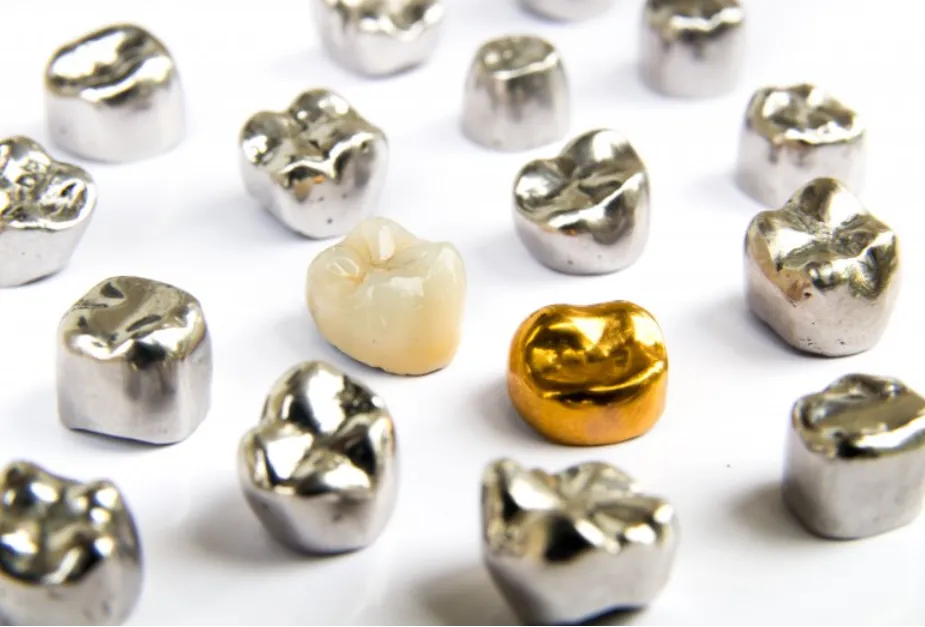
A metal crown is a protective covering made from durable dental alloys that completely surrounds a prepared tooth. It restores the tooth's shape while protecting it against further damage during chewing.
Because of its strength, a metal crown is commonly considered for teeth that experience heavy biting forces, especially those located towards the back of the mouth where appearance is less of a concern.
The choice of crown material is based on several clinical factors rather than patient preference alone.
Situations Where a Metal Crown May Be Recommended
Every tooth has different functional requirements.
A dentist may suggest a metal crown for:
- Back teeth subjected to heavy chewing pressure
- Teeth with extensive structural damage
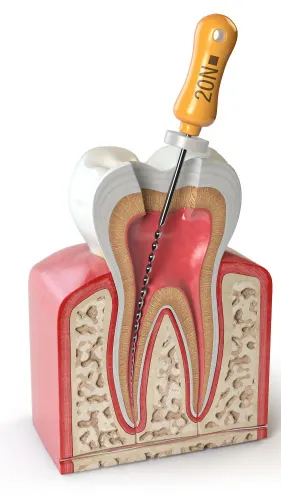
- Teeth restored after root canal treatment
- Patients with strong biting forces
- Cases where maximum durability is required
A detailed examination helps determine whether this option is appropriate.
Benefits of Metal Crowns
Metal crowns have been used successfully in dentistry for many years because of their excellent strength.
Some advantages include:
- High resistance to wear
- Excellent durability
- Ability to withstand strong chewing forces
- Less removal of healthy tooth structure in many cases
- Long service life with proper care
These characteristics make them suitable for restoring teeth that perform demanding chewing functions.
The Treatment Process
Receiving a metal crown follows a planned sequence of appointments.
The treatment generally includes:
- Clinical examination
- Digital X-rays if required
- Tooth preparation
- Impressions or digital scans
- Temporary restoration when necessary
- Placement of the final crown
The dentist also checks your bite carefully to ensure the crown functions comfortably.
Caring for a Metal Crown
A crown protects the tooth but still requires regular maintenance.
Daily care should include:
- Brushing twice daily
- Cleaning between the teeth
- Maintaining regular dental check-ups
- Avoiding habits such as biting hard objects
- Reporting any looseness or discomfort promptly
Proper oral hygiene helps protect the surrounding gums and the remaining natural tooth.
Is a Metal Crown Suitable for Everyone?
The ideal crown material depends on several individual factors.
Your dentist will consider:
- Tooth position
- Chewing requirements
- Existing tooth structure
- Bite pattern
- Oral hygiene
- Long-term treatment goals
The final recommendation is made after balancing durability, function, and overall oral health needs.
Why Professional Assessment Matters
Choosing a dental crown is not simply about selecting a material. Every restoration should be designed to support the tooth effectively while maintaining comfort and long-term function.
A professional examination ensures that the crown is appropriate for your specific dental condition rather than following a one-size-fits-all approach.
People in Upper Kharadi who have been advised to receive a Metal Crown Cap should discuss the available restorative options with an experienced dentist before beginning treatment. Varad Dental Clinic carefully evaluates each case and recommends crown materials that best suit the patient's dental health, functional needs, and long-term treatment outcomes.
Keywords