
Many patients feel relieved once a root canal treatment is completed because the infection has been removed and the tooth pain has subsided. However, a common question that follows is whether a dental crown is still necessary. In many situations, the answer is yes. Depending on the condition and location of the treated tooth, a Ceramic Crown Cap or Metal Crown Cap may be recommended to protect it from future damage.
Understanding why a crown is often advised after root canal treatment can help patients make informed decisions about preserving their natural teeth. For families and working professionals in Vadgaon Sheri, Kharadi, Upper Kharadi, Viman Nagar, and Wagholi, knowing the purpose of this additional step can prevent avoidable dental complications later.
Why Does a Tooth Become Weak After Root Canal Treatment?
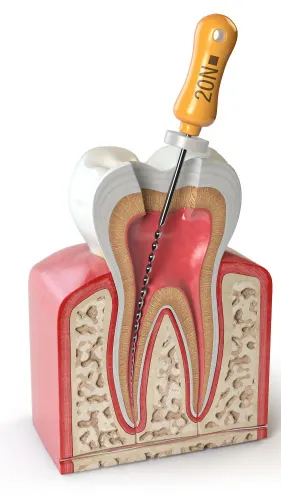
Root canal treatment removes infected or inflamed pulp from inside the tooth, eliminating the source of pain and infection. While the procedure saves the natural tooth, it does not restore the strength of the remaining tooth structure.
In many cases, the tooth has already been weakened by:
- Deep tooth decay
- Large existing fillings
- Cracks or fractures
- Previous dental procedures
- Loss of natural tooth structure
Without additional protection, the tooth may be more likely to crack during normal chewing.
What Does a Dental Crown Do?
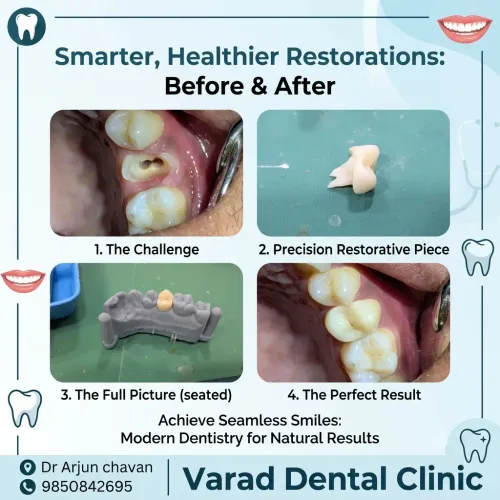
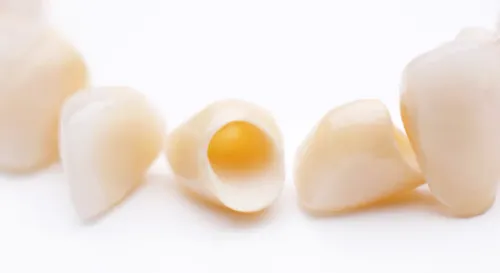
A dental crown is a custom-made cap that covers the entire visible portion of the treated tooth.
Its purpose is to:
- Restore strength
- Protect against fractures
- Improve chewing ability
- Restore the natural shape of the tooth
- Improve appearance when required
- Help extend the lifespan of the treated tooth
Rather than repairing only one area, the crown provides complete support for the remaining tooth.
Does Every Root Canal-Treated Tooth Need a Crown?
Not always.
Whether a crown is recommended depends on several factors.
These include:
- The location of the tooth
- The amount of healthy tooth remaining
- Bite pressure
- Existing restorations
- Overall oral health
Front teeth usually experience less chewing force than molars, so treatment recommendations may differ. Back teeth, which handle greater pressure during eating, are more commonly restored with crowns after root canal treatment.
A clinical examination helps determine the most appropriate approach for each patient.
Ceramic Crown Cap or Metal Crown Cap?
Patients are often offered different crown materials depending on their clinical needs.
Ceramic Crown Cap
Ceramic crowns closely resemble natural teeth and are commonly selected when appearance is an important consideration.
They are often recommended for:
- Front teeth
- Premolars
- Teeth visible while smiling
- Patients seeking metal-free restorations
Metal Crown Cap
Metal crowns are valued for their strength and long-term durability.
They are often suitable for:
- Back molars
- Heavy chewing forces
- Patients with teeth grinding habits
- Situations where function is the primary priority
Your dentist will recommend the material that best matches your oral condition and treatment goals.
What Happens If You Delay Getting a Crown?
Some patients postpone crown placement because the tooth no longer hurts after root canal treatment.
However, delaying restoration may increase the risk of:
- Tooth fractures
- Loss of remaining tooth structure
- Difficulty chewing
- More extensive future treatment
- In some cases, extraction if the tooth becomes severely damaged
Completing the recommended restoration helps protect the investment made in saving the natural tooth.
Caring for a Crowned Tooth
Even after receiving a crown, maintaining good oral hygiene remains essential.
Helpful habits include:
- Brushing twice daily
- Cleaning between teeth every day
- Limiting very hard foods
- Attending regular dental examinations
- Seeking prompt care if the crown feels loose or uncomfortable
Although the crown covers the tooth, the surrounding gums and supporting structures still require regular care.
Frequently Asked Questions
Will the crown look like a natural tooth?
If a ceramic crown is selected, it is designed to closely match the colour and appearance of neighbouring teeth.
Can I eat normally after getting a crown?
Once the permanent crown is securely fitted and your dentist confirms that the bite is correct, most patients can comfortably return to their normal eating habits.
How long can a crown last?
The longevity of a dental crown depends on oral hygiene, regular professional care, chewing habits, and the condition of the supporting tooth. With proper maintenance, crowns can remain functional for many years.
Protecting Your Natural Tooth for the Long Term
Root canal treatment is intended to save a natural tooth, and placing a suitable crown is often an important part of that process. Protecting the restored tooth helps maintain comfortable chewing, supports proper bite function, and reduces the likelihood of future complications.
Varad Dental Clinic carefully evaluates every root canal-treated tooth before recommending a ceramic crown cap or metal crown cap. By selecting the most appropriate restoration based on the tooth's condition, location, and functional requirements, the clinic helps patients preserve their natural teeth while supporting long-term oral health and everyday comfort.
Keywords