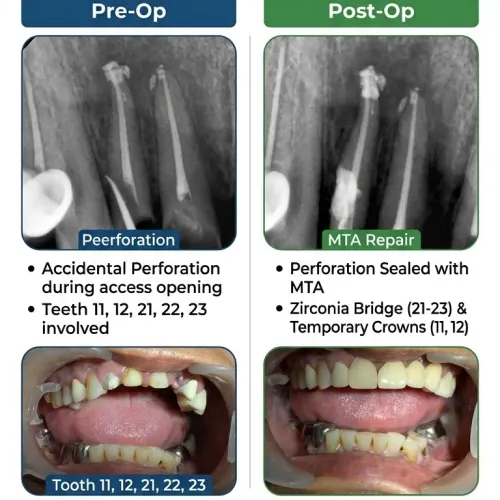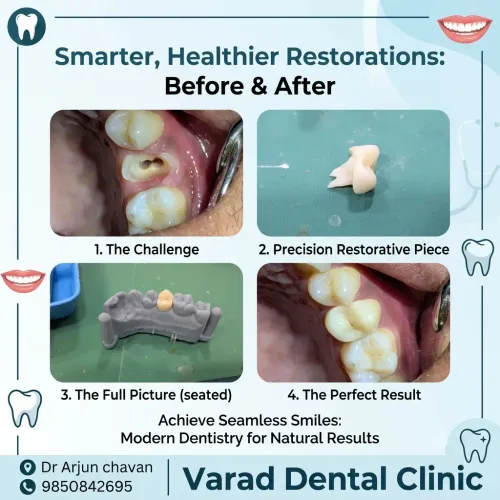
Losing one or more teeth can affect much more than your smile. It may change the way you chew, influence your speech, and even impact the alignment of your remaining teeth over time. Fortunately, modern dentistry offers several reliable tooth replacement options, with Tooth Implant treatment and dentures being two of the most commonly recommended solutions.
If you are exploring tooth replacement options in Vadgaon Sheri, Kharadi, Upper Kharadi, Viman Nagar, or Wagholi, understanding how these treatments differ can help you choose the solution that best suits your oral health, lifestyle, and long-term goals.
Why Replacing Missing Teeth Is Important
Some people believe that replacing a missing tooth is necessary only for cosmetic reasons. In reality, untreated tooth loss can gradually lead to several functional problems.
These may include:
- Difficulty chewing certain foods
- Changes in speech
- Shifting of nearby teeth
- Uneven bite pressure
- Bone loss in the jaw
- Changes in facial appearance
- Reduced confidence while smiling
Replacing missing teeth helps restore both function and balance within the mouth.
What Is a Tooth Implant?
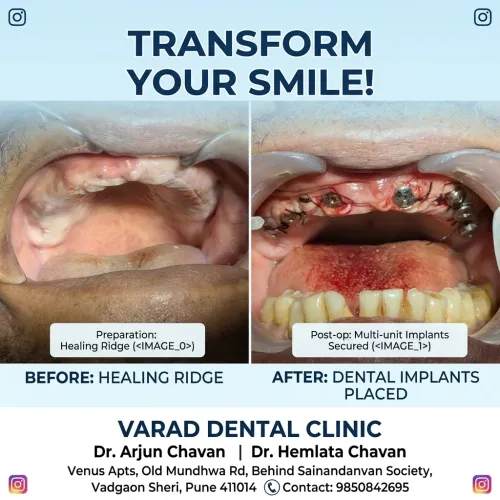
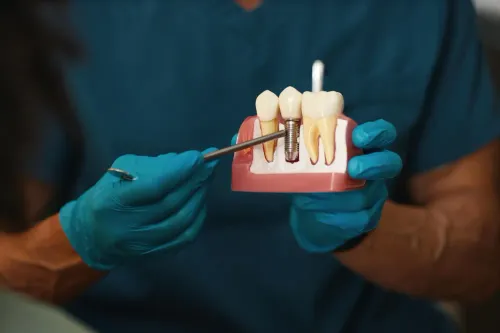
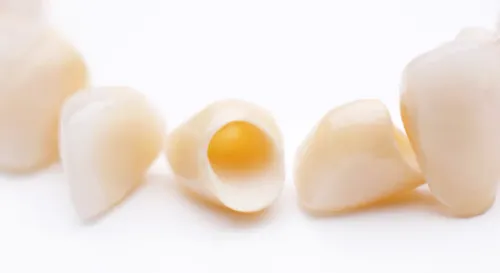
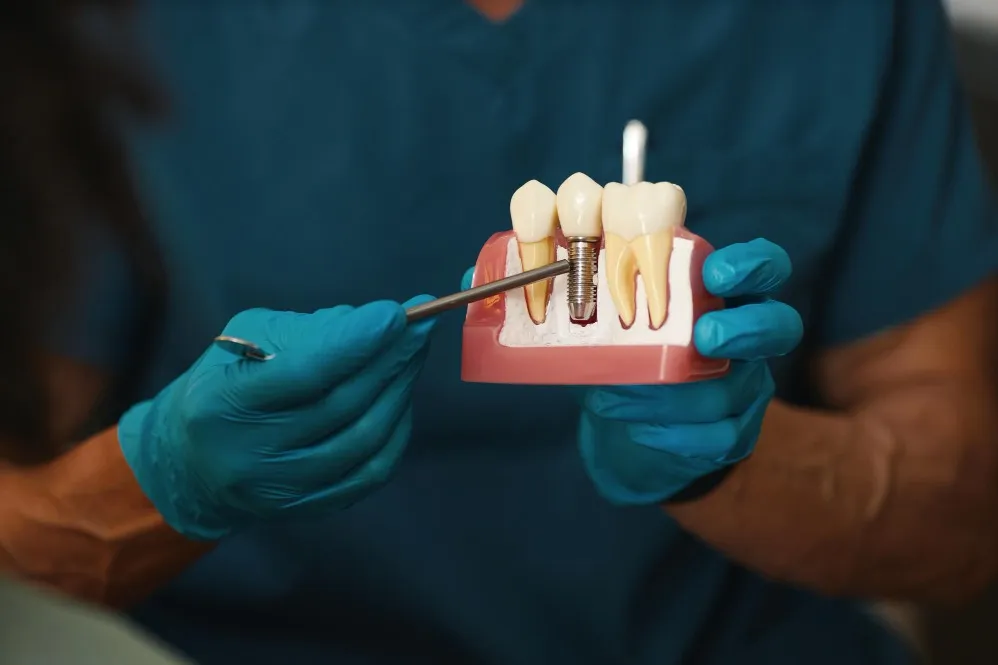
A tooth implant is an artificial tooth root, usually made from biocompatible titanium, that is placed into the jawbone. After healing, a custom-made dental crown is attached to the implant, creating a restoration that closely resembles a natural tooth.
Unlike removable appliances, implants become securely integrated with the jawbone through a natural healing process.
Because they replace both the tooth and its root, implants help support the surrounding bone and maintain facial structure.
What Are Dentures?
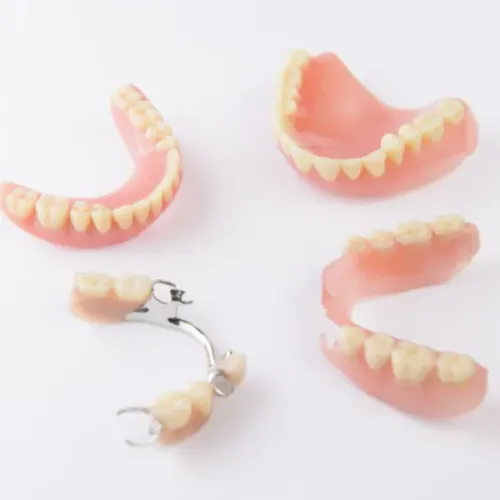
Dentures are removable appliances designed to replace missing teeth.
Depending on the number of missing teeth, they may be:
- Complete dentures, replacing all teeth in an arch
- Partial dentures, replacing only a few missing teeth
Modern dentures are more comfortable and natural-looking than older designs, making them an effective option for many patients.
Comparing Tooth Implants and Dentures
Both treatments restore missing teeth, but they work in different ways.
Tooth Implants
Advantages
- Fixed securely in the jaw
- Feel similar to natural teeth
- Help preserve jawbone
- Do not rely on neighbouring teeth for support
- Support comfortable chewing
Considerations
- Require sufficient bone support
- Healing takes time before the final crown is placed
- Not every patient is an immediate candidate
Dentures
Advantages
- Replace multiple missing teeth
- Non-surgical treatment option
- Suitable for many patients
- Easier to modify if additional teeth are lost
Considerations
- May require periodic adjustments
- Need to be removed for cleaning
- Can feel less stable than implants in some cases
The most suitable option depends on individual oral health, expectations, and clinical findings.
Who May Be a Good Candidate for Tooth Implants?
A dentist may recommend implants for patients who:
- Have one or more missing teeth
- Maintain good oral hygiene
- Have healthy gums
- Possess adequate jawbone support or qualify for additional bone procedures
- Are committed to regular dental follow-up
A complete examination, including diagnostic imaging, helps determine suitability.
Factors That Influence the Decision
Choosing between implants and dentures involves more than appearance alone.
Important considerations include:
- Number of missing teeth
- Jawbone condition
- Gum health
- General medical history
- Lifestyle
- Long-term maintenance preferences
- Financial planning
Discussing these factors with a dental professional allows patients to select a treatment that aligns with both their clinical needs and personal expectations.
Caring for Tooth Implants
Although implants cannot develop cavities, they still require proper maintenance.
Patients should:
- Brush twice daily
- Clean around the implant carefully
- Use floss or interdental cleaning aids
- Attend routine dental examinations
- Avoid smoking where possible
- Address gum inflammation promptly
Healthy gums are essential for maintaining long-term implant success.
Frequently Asked Questions
Are tooth implants permanent?
The implant itself is designed as a long-term solution, although the crown may eventually require maintenance or replacement depending on wear and oral hygiene.
Is implant placement painful?
The procedure is typically performed under local anaesthesia. Most patients report that post-treatment discomfort is manageable and gradually improves during healing.
Can older adults receive implants?
Age alone is not usually the deciding factor. Overall oral health, bone quality, and medical history are more important considerations.
Making an Informed Choice
There is no single tooth replacement solution that suits every patient. While implants offer excellent stability and long-term function, dentures continue to be an effective option for many individuals depending on their oral condition and treatment goals.
Varad Dental Clinic carefully assesses each patient's dental health before recommending tooth implant treatment or alternative tooth replacement options. By explaining the advantages, limitations, and expected outcomes of each approach, the clinic helps patients make well-informed decisions that support comfortable chewing, confident smiles, and lasting oral health.
Keywords