A damaged or weakened tooth does not always need to be removed. In many cases, a dental crown can restore its strength, appearance, and function while preserving the natural tooth underneath. Among the available options, the Fully Ceramic Crown Cap has become increasingly popular because it closely resembles natural teeth. However, it is not the only choice, and selecting the right crown depends on several important factors.
If you are considering a dental crown and live in areas such as Vadgaon Sheri, Kharadi, Upper Kharadi, Viman Nagar, or Wagholi, understanding the advantages and limitations of different crown materials can help you make a confident decision together with your dentist.
What Is a Dental Crown?
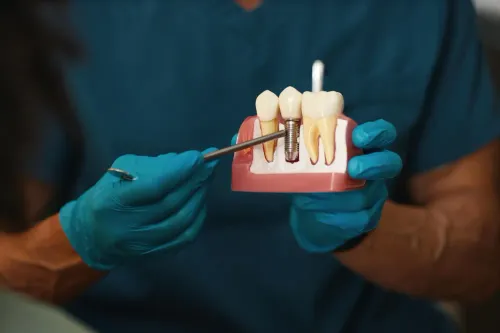
A dental crown is a custom-made cap that completely covers a damaged tooth. It restores the tooth's shape, protects it from further damage, and improves its appearance.
Dentists commonly recommend crowns after:
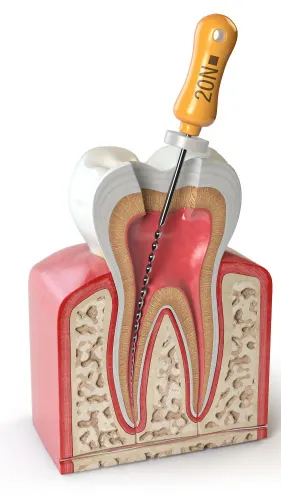
- Root canal treatment
- Large dental fillings
- Tooth fractures
- Severe tooth wear
- Broken teeth
- Cosmetic smile improvements
Each crown is designed to fit the individual tooth and blend with the patient's bite.
What Is a Fully Ceramic Crown Cap?
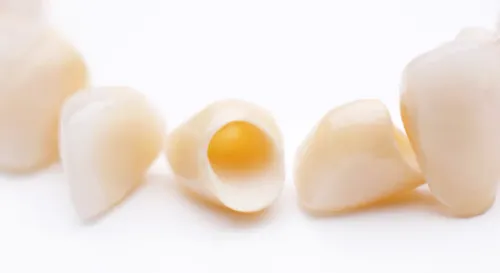
A fully ceramic crown is made entirely from ceramic material without any metal framework.
Its greatest advantage is its ability to imitate the colour, translucency, and light reflection of natural enamel. This makes it an excellent option for teeth that are visible when smiling or speaking.
Modern ceramic materials are also durable enough for many everyday dental restorations when selected appropriately.
Benefits of Fully Ceramic Crowns
Many patients choose ceramic crowns because they combine aesthetics with functionality.
Some of the key advantages include:
- Natural tooth-like appearance
- No visible metal margins
- Good colour matching with neighbouring teeth
- Suitable for people with certain metal sensitivities
- Smooth surface that supports gum health when properly maintained
Because of these qualities, ceramic crowns are frequently recommended for front teeth where appearance is especially important.
How Do Ceramic Crowns Compare with Other Crown Materials?
Several types of crowns are available, each with specific advantages.
Metal Crowns
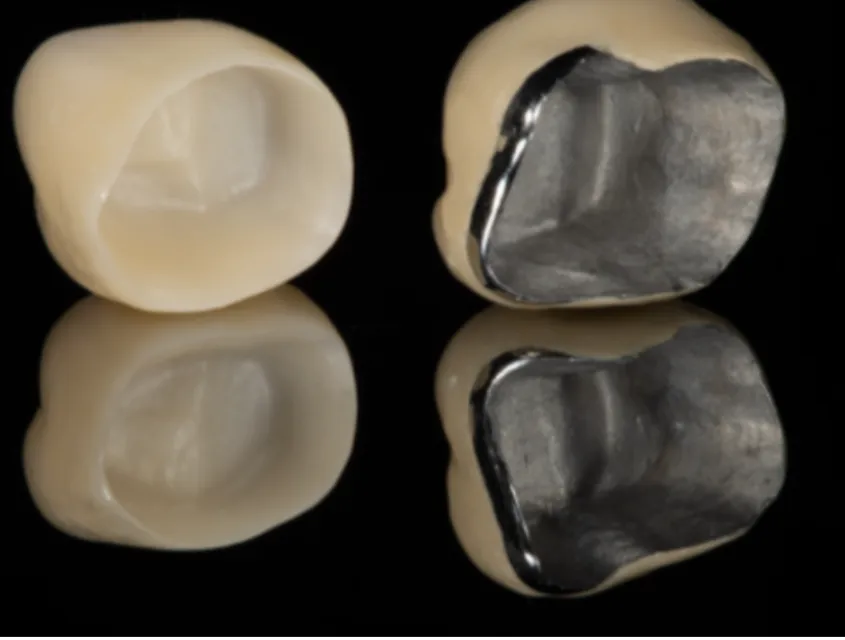
These are known for exceptional durability but are generally more noticeable because of their metallic colour.
Porcelain-Fused-to-Metal Crowns
These combine the strength of metal with a porcelain outer layer. While they provide good function, the metal edge may become visible near the gums over time in some patients.
Zirconia Crowns
Zirconia offers excellent strength along with an attractive appearance, making it another commonly selected restorative material.
Fully Ceramic Crowns
These provide outstanding aesthetics and are often preferred for restoring front teeth where a natural smile is the primary goal.
Your dentist will recommend the most suitable material after considering the location of the tooth, bite forces, and individual treatment goals.
When Is a Fully Ceramic Crown Recommended?
A dentist may recommend a fully ceramic crown in situations such as:
- Restoration of front teeth
- Cosmetic smile enhancement
- Replacement of older visible crowns
- Teeth requiring improved aesthetics
- Patients seeking metal-free restorations
Every recommendation is based on a careful clinical evaluation rather than appearance alone.
What Is the Treatment Process?
Receiving a dental crown usually involves two appointments.
The process typically includes:
- Examination of the affected tooth
- Dental X-rays if required
- Tooth preparation
- Digital or conventional impressions
- Placement of a temporary crown if necessary
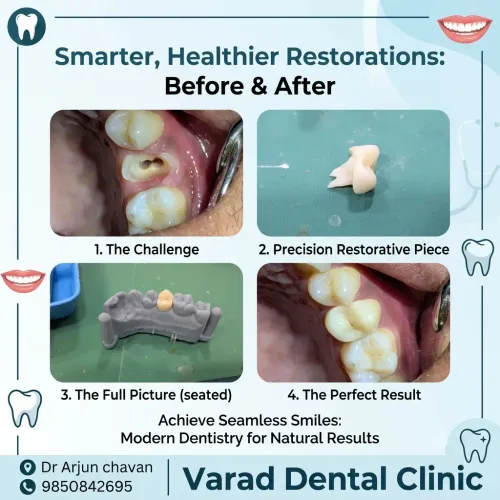
- Fabrication of the custom crown
- Final fitting and cementation
The completed crown is adjusted to ensure a comfortable bite and natural appearance.
Caring for a Ceramic Crown
Although ceramic crowns are strong, they still require proper care.
Patients are encouraged to:
- Brush twice daily
- Clean between teeth with floss
- Avoid biting extremely hard objects
- Attend regular dental examinations
- Address grinding habits if present
Good oral hygiene protects both the crown and the supporting natural tooth.
Frequently Asked Questions
Will the crown look like my natural tooth?
Modern ceramic materials allow dentists to closely match the colour and shape of surrounding teeth.
Can ceramic crowns stain?
Ceramic is generally resistant to staining, but maintaining good oral hygiene helps preserve its appearance.
How long does a ceramic crown last?
With proper care and regular dental check-ups, ceramic crowns can remain functional for many years. Longevity depends on oral hygiene, bite forces, and overall dental health.
Choosing the Best Restoration for Your Smile
Every patient's needs are different. While appearance is important, durability, tooth position, bite, and long-term function should all be considered before selecting a crown material.
Varad Dental Clinic evaluates each case individually before recommending a fully ceramic crown or another suitable restoration. By considering both functional and cosmetic factors, the clinic helps patients choose restorations that support healthy teeth, comfortable chewing, and a natural-looking smile for years to come.
Keywords