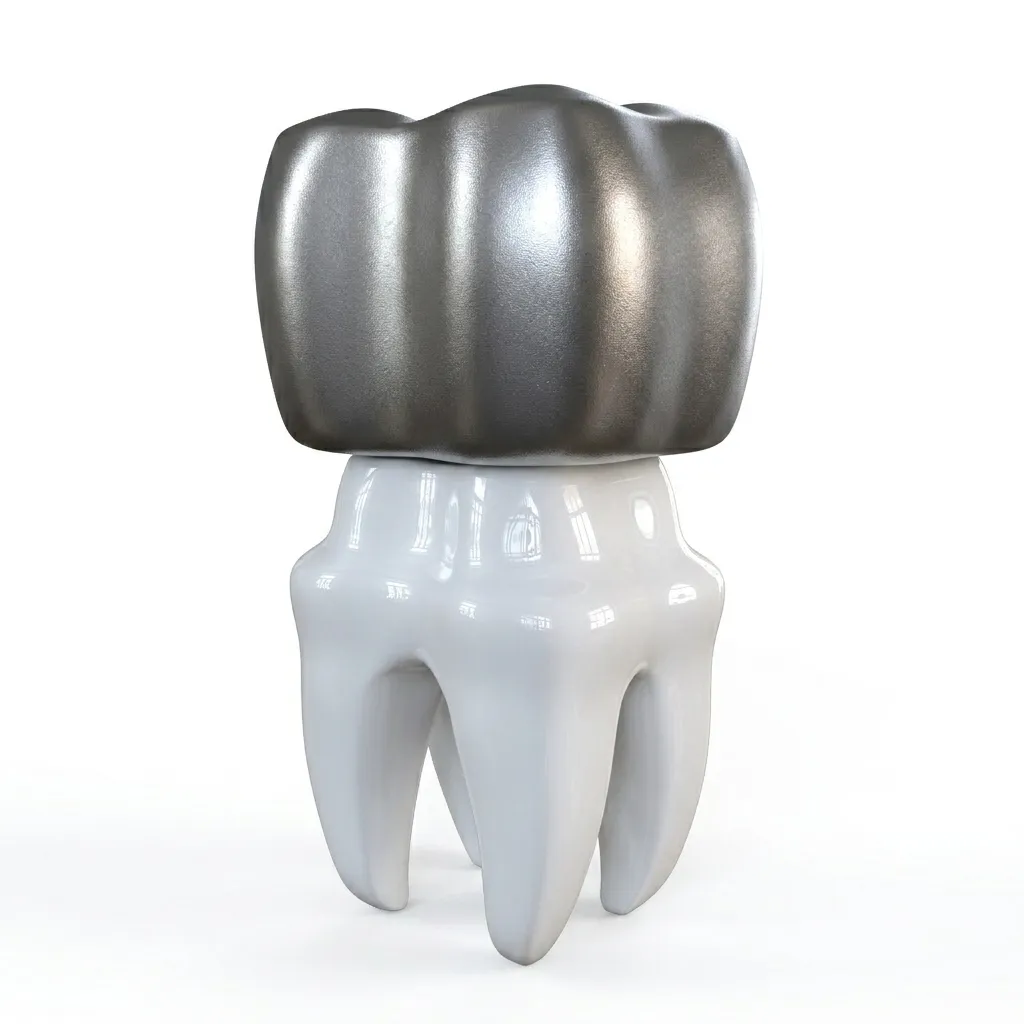
When a tooth becomes weakened due to decay, a fracture, or a root canal treatment, restoring its strength is just as important as relieving pain. Dental crowns are designed to protect damaged teeth and restore normal function, but choosing between a Metal Crown Cap and a Ceramic Crown Cap can be confusing if you are unfamiliar with the differences.
Both options have their own advantages, and the right choice depends on the location of the tooth, your bite, your aesthetic expectations, and your overall oral health. If you are considering a dental crown in Vadgaon Sheri, Kharadi, Upper Kharadi, Viman Nagar, or Wagholi, understanding these materials can help you make an informed decision during your dental consultation.
Why Is a Dental Crown Needed?
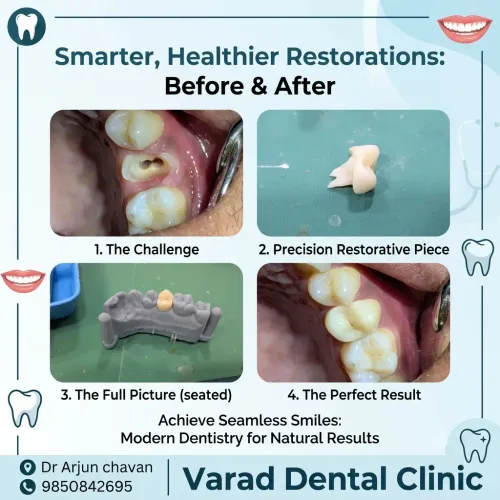
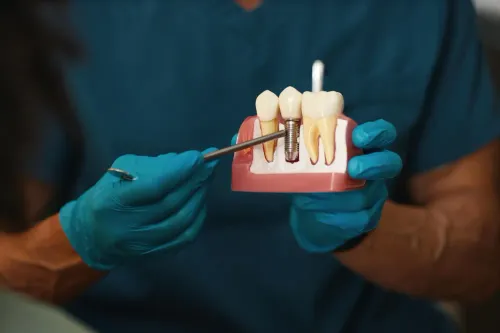
A dental crown is a custom-made cap that completely covers a damaged or weakened tooth. It restores the tooth's shape, size, and strength while helping it function normally during chewing and speaking.
Dentists commonly recommend crowns for:
- Teeth that have undergone root canal treatment
- Large cavities that cannot be restored with fillings alone
- Broken or fractured teeth
- Worn-down teeth caused by grinding
- Cosmetic improvements for discoloured or misshapen teeth
- Protection of structurally weak teeth
The crown acts as a protective covering, reducing the risk of further damage.
Understanding a Metal Crown Cap
A metal crown is made from dental alloys specifically designed for strength and durability. These crowns have been used successfully in dentistry for many years because they can withstand heavy chewing forces.
Metal crowns are generally recommended for back teeth where appearance is less important and durability is the primary concern.
Some advantages include:
- Excellent strength
- High resistance to wear
- Long-lasting performance
- Minimal removal of natural tooth structure in many cases
- Suitable for patients with strong biting forces
Because of their metallic appearance, they are rarely selected for visible front teeth.
Understanding a Ceramic Crown Cap
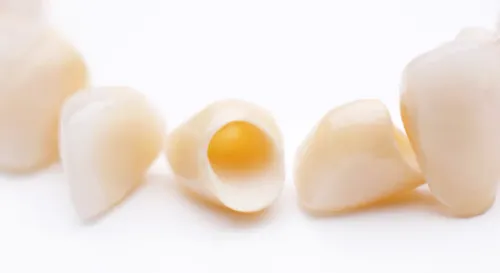
A ceramic crown is made from tooth-coloured dental ceramic that closely resembles natural enamel.
These crowns are widely chosen for their ability to blend naturally with surrounding teeth, making them especially suitable for visible areas of the mouth.
Benefits of ceramic crowns include:
- Natural appearance
- Excellent colour matching
- No visible metal edges
- Suitable for smile enhancement
- Good compatibility with surrounding gum tissue
Advances in dental materials have also improved the strength of ceramic restorations, making them suitable for many different clinical situations.
How Do Dentists Decide Which Crown Is Right?
There is no universal answer because every patient has different dental needs.
Your dentist will evaluate several factors before recommending a crown material.
These include:
- The location of the tooth
- The amount of remaining tooth structure
- Your chewing habits
- The condition of your bite
- Cosmetic expectations
- Gum health
- Existing restorations nearby
A front tooth generally has different requirements than a back molar that experiences greater chewing pressure.
Which Crown Looks More Natural?
For patients concerned about aesthetics, ceramic crowns usually provide the closest match to natural teeth.
Their ability to reflect light in a way that resembles natural enamel makes them particularly suitable for teeth that are visible when smiling or speaking.
Metal crowns, while extremely durable, have a noticeable metallic appearance and are therefore commonly reserved for less visible areas.
Which Crown Lasts Longer?
Both metal and ceramic crowns can provide many years of service when properly maintained.
Their longevity depends on factors such as:
- Daily oral hygiene
- Regular dental examinations
- Bite forces
- Teeth grinding habits
- Overall oral health
- Quality of the underlying tooth
Rather than focusing only on the material, maintaining good dental care plays an equally important role in the lifespan of any crown.
How Are Dental Crowns Placed?
Receiving a crown generally involves two appointments.
The treatment process usually includes:
- Clinical examination.
- Dental X-rays when necessary.
- Tooth preparation.
- Taking digital or conventional impressions.
- Placement of a temporary crown if required.
- Fabrication of the permanent crown.
- Final fitting and adjustment.
The finished crown is carefully checked to ensure it fits comfortably and allows proper chewing.
Caring for Your Dental Crown
Whether you choose a metal or ceramic crown, daily maintenance remains essential.
Helpful care tips include:
- Brush twice each day using fluoride toothpaste.
- Clean between teeth with floss or interdental brushes.
- Avoid chewing extremely hard objects such as ice or hard candies.
- Wear a night guard if you grind your teeth during sleep.
- Schedule routine dental check-ups and professional cleanings.
- Seek dental advice promptly if the crown feels loose or uncomfortable.
These habits help protect both the crown and the natural tooth beneath it.
Common Questions Patients Ask
Will I be able to eat normally after getting a crown?
Yes. Once the crown is permanently fitted and your dentist confirms the bite is comfortable, most patients can return to their normal eating habits.
Can a crowned tooth still develop problems?
Although the crown itself cannot decay, the natural tooth underneath can still be affected if oral hygiene is neglected. Regular dental visits help identify any concerns early.
How do I know which crown is best for me?
The ideal crown depends on your clinical condition rather than personal preference alone. A comprehensive examination allows your dentist to recommend the material that offers the best combination of strength, function, and appearance.
Choosing the right dental crown is a balance between durability, aesthetics, and long-term oral health. Varad Dental Clinic carefully evaluates each patient's individual needs before recommending a metal crown cap or ceramic crown cap. By considering both functional requirements and cosmetic expectations, the clinic helps patients receive restorations that support healthy smiles and comfortable daily living.
Keywords