Healthy teeth depend on healthy gums. While many people pay close attention to cavities and tooth sensitivity, gum health is often overlooked until noticeable symptoms appear. Advanced gum disease can gradually damage the tissues that support the teeth, making timely treatment essential. In some situations, Periodontal Surgery becomes an important option to preserve oral health and improve long-term outcomes.
As awareness about preventive dental care grows across areas like Vadgaon Sheri, Kharadi, Upper Kharadi, Viman Nagar, and Wagholi, more patients are seeking early evaluation for gum-related concerns before they progress into serious complications.
What Is Periodontal Surgery?
Periodontal surgery refers to procedures performed to treat advanced gum disease and restore the health of the supporting structures around the teeth.
It is generally considered when non-surgical treatments such as professional cleaning and scaling are not sufficient to manage the condition.
The specific procedure depends on the severity of gum disease and the patient's overall oral health.
What Causes Gum Disease?
Gum disease develops gradually, usually beginning with plaque buildup.
If plaque is not removed regularly, it can harden into tartar, allowing bacteria to irritate the gums.
Several factors may increase the risk, including:
- Poor oral hygiene
- Smoking
- Diabetes
- Hormonal changes
- Family history
- Certain medications
- Inadequate professional dental care
Early treatment often prevents the disease from becoming more advanced.
Warning Signs You Should Not Ignore
Many patients are surprised to learn that gum disease can progress without causing significant pain.
Common symptoms include:
- Bleeding while brushing
- Persistent bad breath
- Red or swollen gums
- Gum recession
- Loose teeth
- Pus around the gums
- Pain while chewing
- Increased tooth sensitivity
Ignoring these symptoms may allow further damage to occur beneath the gum line.
When Is Surgery Recommended?
Periodontal surgery may be suggested when deep pockets form between the gums and teeth, making thorough cleaning difficult.
A dentist may recommend surgical treatment if:
- Gum infection persists despite treatment
- Significant bone loss is present
- Gum recession affects tooth stability
- Deep periodontal pockets remain
- Damaged tissue requires repair
The objective is to reduce infection and create healthier conditions that support long-term tooth preservation.
Common Types of Periodontal Procedures
Treatment varies depending on individual needs.
Common procedures include:
Flap Surgery
The gums are carefully lifted to allow deeper cleaning around the tooth roots before being repositioned.
Gum Grafting
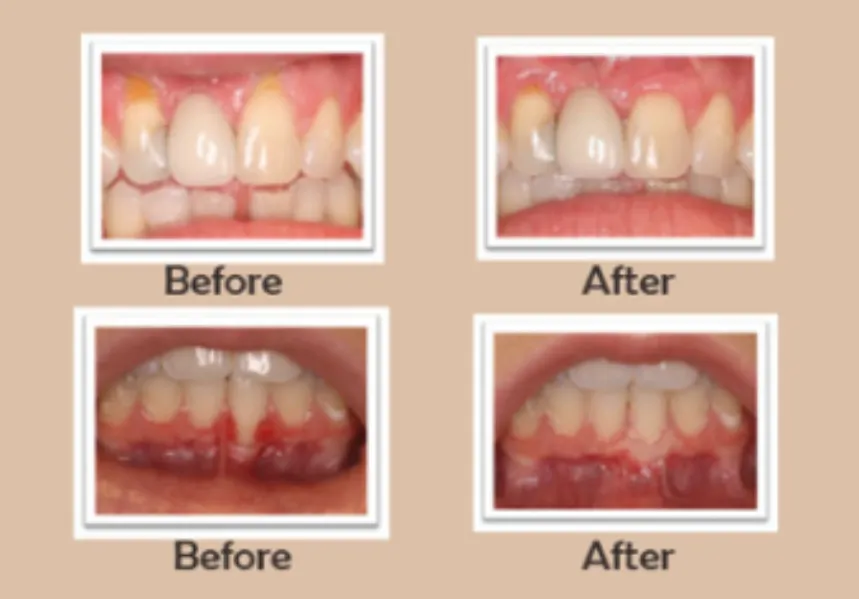
This procedure helps cover exposed roots and improve gum support in areas affected by recession.
Bone Regeneration Procedures
When bone loss has occurred, regenerative techniques may help encourage healing in selected cases.
Each treatment plan is customized according to the patient's clinical findings.
Recovery After Treatment
Recovery experiences vary from person to person.
Patients are generally advised to:
- Follow prescribed oral hygiene instructions.
- Eat softer foods during early healing.
- Avoid smoking.
- Attend scheduled follow-up appointments.
- Take medications exactly as instructed.
- Maintain excellent plaque control.
Most people gradually return to normal daily activities while healing progresses.
Can Gum Disease Return?
Yes.
Successful treatment depends not only on the procedure itself but also on long-term maintenance.
Patients who continue good oral hygiene and attend regular dental visits usually experience better long-term outcomes.
Preventive care after surgery remains just as important as the treatment itself.
Protecting Your Gums Every Day
Simple daily habits make a significant difference.
These include:
- Brushing twice daily
- Cleaning between teeth with floss or interdental brushes
- Limiting tobacco use
- Managing medical conditions such as diabetes
- Eating a balanced diet
- Scheduling regular dental examinations
Healthy gums provide the foundation for healthy teeth throughout life.
Varad Dental Clinic assesses gum health through detailed examinations and recommends treatment only after evaluating the severity of periodontal disease. By combining preventive care with appropriate surgical management when required, the clinic helps patients work toward healthier gums and improved long-term oral health.
Keywords