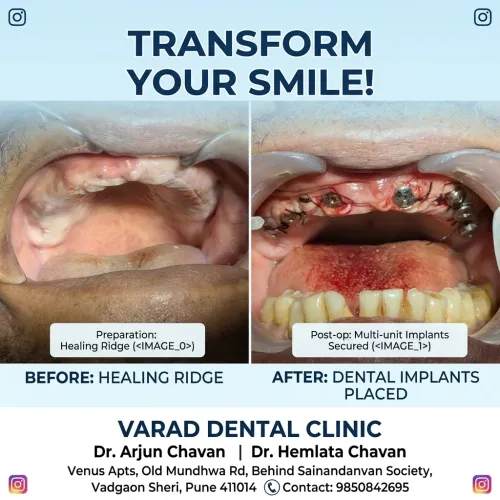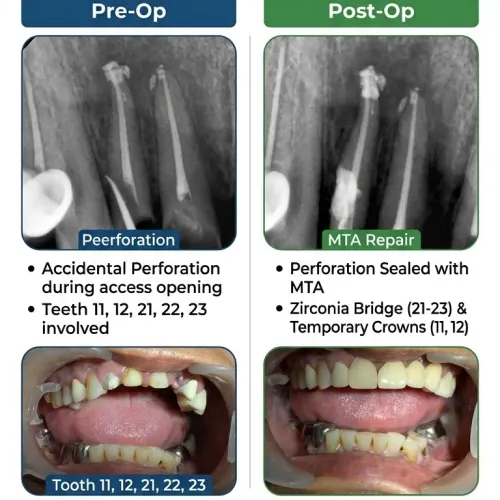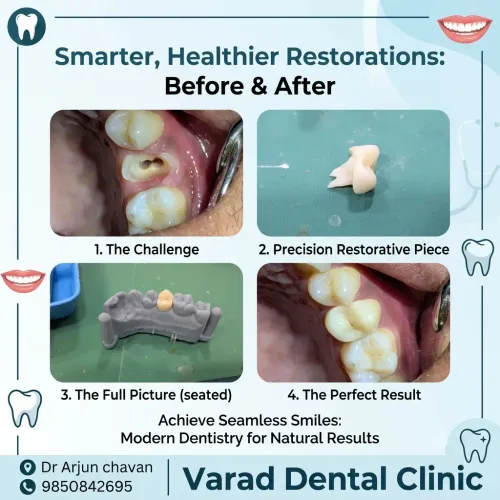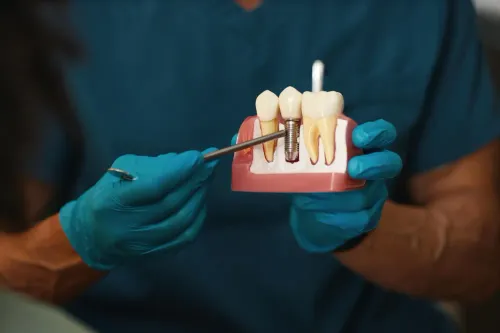
A severe toothache can make everyday activities like eating, speaking, or even sleeping uncomfortable. When the pain is caused by deep tooth decay or infection, patients often hear two possible treatment options: Root Canal Treatment or tooth extraction. Deciding between the two can feel overwhelming, especially if you are unsure about the long-term impact of each choice.
Modern dentistry generally aims to preserve natural teeth whenever possible. However, every case is different, and the right solution depends on the condition of the tooth, surrounding tissues, and overall oral health. For people living in Vadgaon Sheri, Kharadi, Upper Kharadi, Viman Nagar, and Wagholi, understanding the differences between these treatments can help them have more informed discussions with their dentist.
What Is Root Canal Treatment?
Root canal treatment is a procedure performed to save a tooth whose inner pulp has become inflamed or infected.
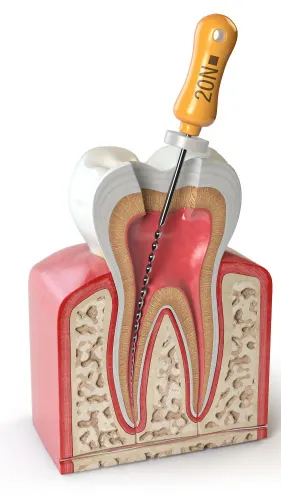
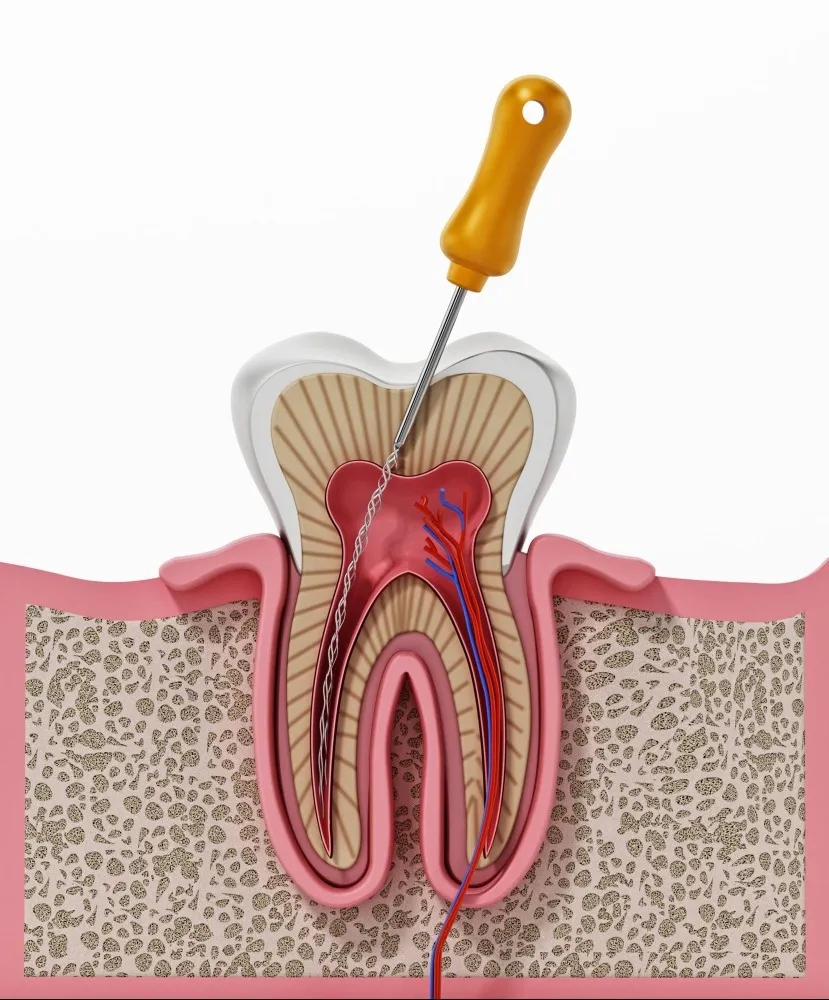
Inside every tooth is a soft tissue called the pulp, which contains nerves and blood vessels. When bacteria reach this area because of deep decay, cracks, repeated dental procedures, or trauma, infection can develop.
During root canal treatment, the infected pulp is removed, the inside of the tooth is cleaned and disinfected, and the canals are sealed to help prevent further infection. In many cases, a dental crown is later placed to strengthen and protect the treated tooth.
The goal is to preserve the natural tooth rather than remove it.
When Is Root Canal Treatment Recommended?
A dentist may suggest root canal treatment when the tooth can still be restored despite internal infection.
Common situations include:
- Deep cavities reaching the pulp
- Persistent tooth pain
- Sensitivity that lingers after hot or cold foods
- Swelling around the gums
- Dental abscesses
- Cracked teeth affecting the pulp
Saving the natural tooth often helps maintain normal chewing function and bite alignment.
When Might Tooth Extraction Be the Better Choice?
Although preserving natural teeth is generally preferred, extraction may become necessary when the tooth cannot be repaired successfully.
Examples include:
- Extensive tooth destruction
- Severe fractures extending below the gum line
- Advanced periodontal disease causing excessive tooth mobility
- Repeated infections despite previous treatment
- Teeth that cannot support a long-term restoration
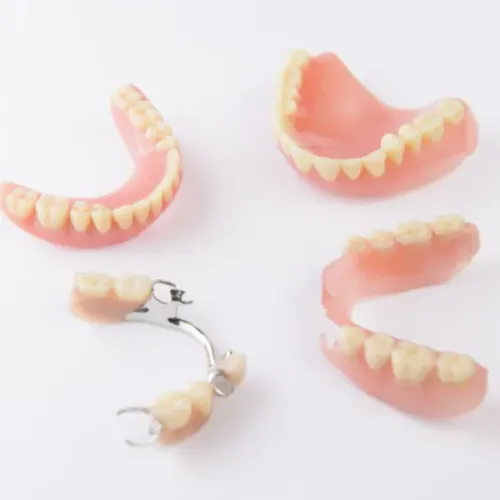
After extraction, your dentist may discuss replacement options such as dental implants, bridges, or removable dentures.
Comparing Root Canal Treatment and Tooth Extraction
Understanding the differences between these procedures helps patients make informed decisions.
Root Canal Treatment
Advantages
- Preserves the natural tooth
- Maintains normal chewing efficiency
- Prevents neighbouring teeth from shifting
- Supports natural appearance
- Usually requires no tooth replacement
Considerations
- Multiple appointments may sometimes be needed
- A crown is often recommended after treatment
- Success depends on the remaining tooth structure
Tooth Extraction
Advantages
- Removes severely damaged or infected teeth
- Eliminates infection when restoration is not possible
- May be necessary in complex cases
Considerations
- Missing teeth can affect chewing and appearance
- Replacement treatment may be recommended
- Nearby teeth may gradually shift if the gap remains untreated
Is Root Canal Treatment Painful?
One of the biggest misconceptions is that root canal treatment is extremely painful.
In reality, advances in dental techniques and local anaesthesia have made the procedure much more comfortable than many people expect. Most patients describe the experience as being similar to receiving a routine dental filling.
In many cases, the procedure actually relieves the pain caused by the infection rather than creating additional discomfort.
How Can You Tell If You Need Immediate Dental Care?
Do not ignore symptoms such as:
- Continuous toothache
- Swelling around a tooth
- Pain while biting
- Gum boils or pus discharge
- Persistent sensitivity
- Broken teeth exposing the inner layers
- Facial swelling associated with dental pain
Prompt evaluation increases the chances of saving the tooth before damage becomes irreversible.
Can Root Canal Treatment Last for Many Years?
Yes, a successfully treated tooth can function for many years with proper care.
Maintaining long-term results usually involves:
- Brushing twice daily
- Cleaning between teeth regularly
- Avoiding chewing hard objects
- Attending routine dental check-ups
- Getting a crown if recommended
- Addressing new dental problems early
Like natural teeth, root canal-treated teeth still require regular professional care.
Making the Right Decision
Choosing between root canal treatment and extraction should never be based solely on temporary pain or assumptions. A complete clinical examination, supported by diagnostic imaging, allows the dentist to assess whether the tooth can be preserved safely and predictably.
Varad Dental Clinic carefully evaluates infected and damaged teeth before recommending treatment. When root canal treatment is a suitable option, the focus remains on preserving the natural tooth whenever possible. If extraction becomes necessary, patients are guided through appropriate replacement options to help restore function, comfort, and long-term oral health.
Keywords