The thought of having a tooth removed can make many people anxious. However, modern dentistry focuses on preserving natural teeth whenever possible, and Tooth Extraction is usually recommended only when it is the most appropriate solution for protecting overall oral health. Understanding why an extraction may be necessary can help patients feel more informed and prepared if their dentist suggests the procedure.
For residents of Vadgaon Sheri, Kharadi, Upper Kharadi, Viman Nagar, and Wagholi, timely dental care plays an important role in preventing minor dental issues from developing into conditions that require more extensive treatment. Knowing when a tooth should be removed—and when it can still be saved—can make a significant difference in long-term oral health.
What Is a Tooth Extraction?
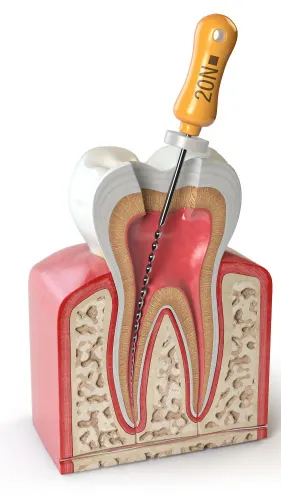
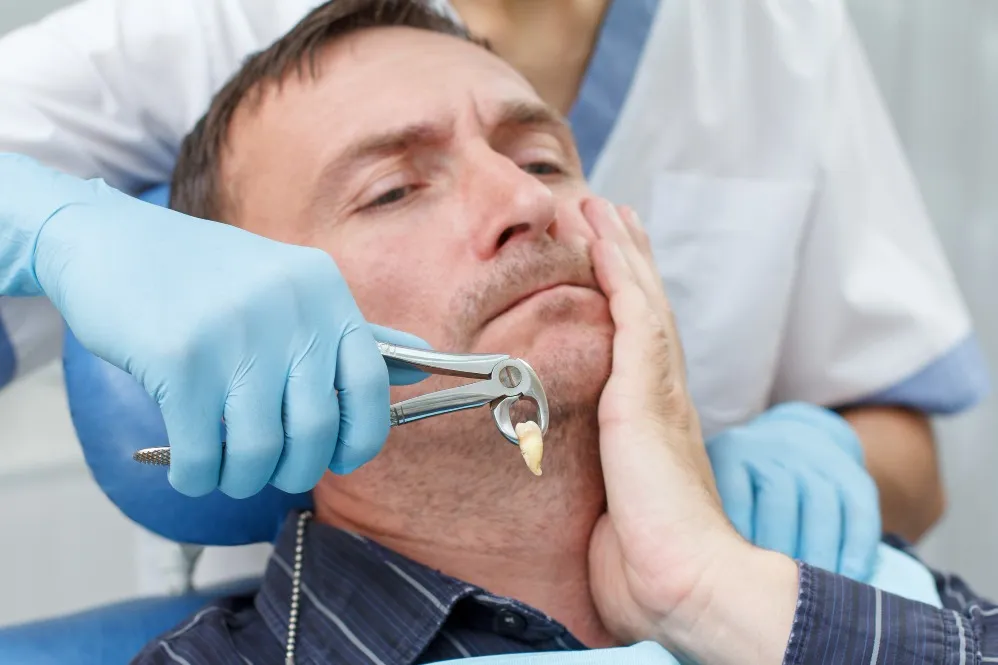
A tooth extraction is a dental procedure in which a damaged, infected, or problematic tooth is carefully removed from its socket. Dentists consider extraction only after evaluating whether other treatments, such as fillings, root canal treatment, or crowns, can successfully preserve the tooth.
Every extraction begins with a thorough clinical examination, often supported by dental X-rays, to understand the condition of the tooth, surrounding bone, and nearby structures.
Common Reasons for Tooth Extraction
There are several situations where removing a tooth may be the healthiest option.
Severe Tooth Decay
When decay has destroyed most of the tooth and restoration is no longer possible, extraction may prevent infection from spreading.
Advanced Gum Disease
Periodontal disease can weaken the supporting tissues around teeth. In advanced cases, severely loose teeth may require removal.
Broken Teeth Beyond Repair
Accidents or trauma can cause fractures that extend below the gum line, making restoration difficult.
Overcrowding
Sometimes healthy teeth are removed as part of orthodontic treatment to create sufficient space for proper alignment.
Persistent Infection
If an infection cannot be controlled even after appropriate treatment, extraction may help protect surrounding tissues.
Signs You Should Not Ignore
While only a dentist can determine whether extraction is necessary, certain symptoms deserve prompt evaluation.
These include:
- Severe tooth pain
- Swelling around the gums
- Difficulty chewing
- Persistent bad breath
- Loose teeth
- Recurrent dental abscesses
- Broken teeth causing discomfort
Early assessment often provides more treatment options than waiting until pain becomes severe.
What Happens During the Procedure?
Patients often imagine extraction as a complicated or painful experience. Modern techniques and local anaesthesia make the procedure considerably more comfortable than many expect.
The typical process includes:
- Clinical examination and diagnosis.
- Digital X-rays if required.
- Administration of local anaesthesia.
- Gentle removal of the tooth.
- Cleaning of the extraction site.
- Placement of gauze to encourage clot formation.
- Post-procedure care instructions.
The complexity of the procedure depends on the tooth's position, condition, and root structure.
Recovery After Tooth Extraction
Healing generally begins immediately after the procedure.
Patients are commonly advised to:
- Bite gently on gauze as instructed.
- Avoid vigorous rinsing for the first day.
- Eat soft foods for a short period.
- Stay hydrated.
- Avoid smoking or tobacco products.
- Brush carefully around the extraction area.
- Follow prescribed medications if recommended.
Most patients experience gradual improvement over the following days.
Is It Always Necessary to Replace an Extracted Tooth?
The answer depends on the location of the extracted tooth and overall oral health.
Replacing missing teeth may help:
- Maintain chewing efficiency
- Prevent neighbouring teeth from shifting
- Preserve facial appearance
- Improve speech
- Support bite alignment
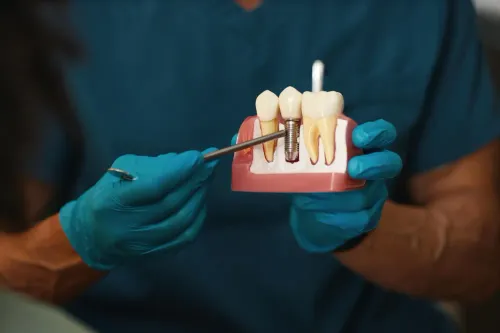
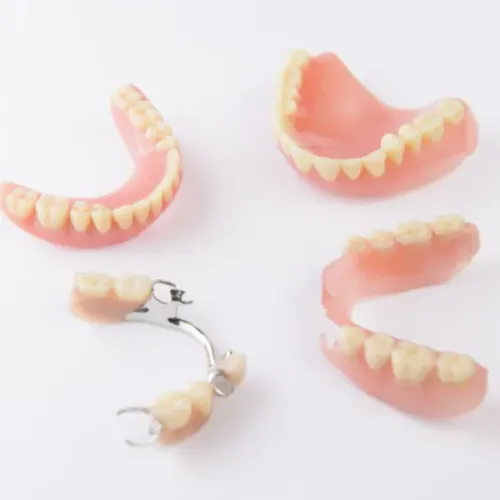
Possible replacement options include dental implants, bridges, or removable dentures, depending on the patient's individual needs.
Can Tooth Extraction Be Prevented?
In many cases, yes.
Good preventive habits reduce the likelihood of tooth loss.
Helpful practices include:
- Brushing twice daily with fluoride toothpaste
- Cleaning between teeth regularly
- Scheduling routine dental examinations
- Limiting sugary foods and beverages
- Seeking treatment for cavities before they worsen
- Managing gum disease early
Routine preventive care is often the best way to preserve natural teeth throughout life.
Choosing the Right Time to Visit a Dentist
Many people delay treatment because occasional pain seems manageable. Unfortunately, dental conditions rarely resolve on their own. Early diagnosis can sometimes prevent extraction altogether by identifying problems while they are still treatable.
Varad Dental Clinic evaluates every patient carefully before recommending tooth extraction, with the goal of preserving natural teeth whenever possible. When removal is necessary, the clinic follows a structured treatment approach and discusses suitable tooth replacement options to support long-term oral health and comfortable daily function.
Keywords