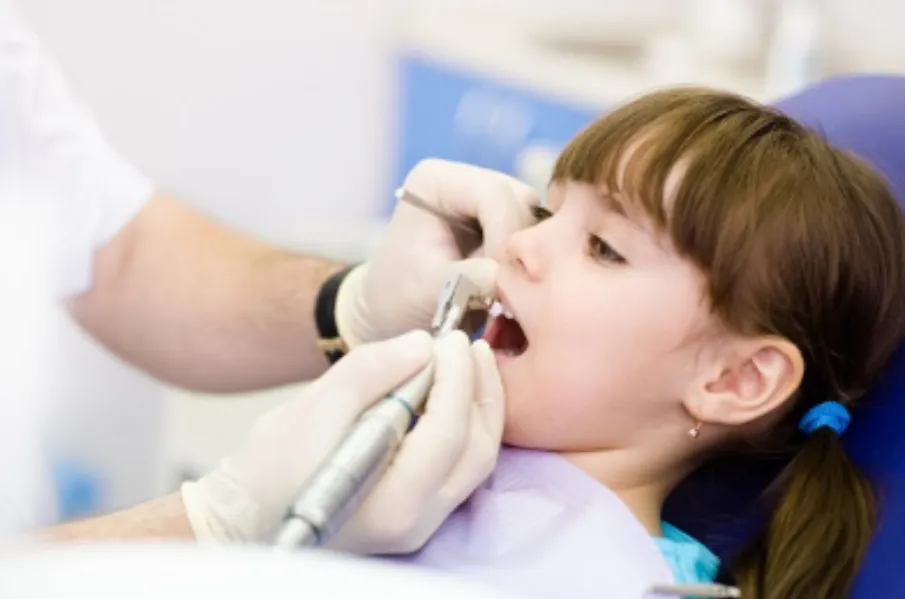
A child's smile goes through many stages of development, and each stage plays an important role in lifelong oral health. Many parents believe that baby teeth do not require much attention because they eventually fall out. In reality, healthy primary teeth help children eat comfortably, speak clearly, and create the space needed for permanent teeth to erupt correctly. This is where Pedodontics and Preventive Dentistry becomes an essential part of childhood healthcare.
Children living in growing residential areas such as Vadgaon Sheri, Kharadi, Upper Kharadi, Viman Nagar, and Wagholi often have easy access to schools, recreational activities, and healthcare facilities. Along with regular medical check-ups, routine dental visits should also become part of every child's health routine.
What Is Pedodontics and Preventive Dentistry?
Pedodontics is the branch of dentistry dedicated to the oral health of infants, children, and teenagers. Preventive dentistry focuses on reducing the risk of dental problems before they become serious.
Instead of waiting until a child experiences pain, preventive care aims to identify small issues early and promote healthy habits that protect teeth throughout childhood.
Common preventive services include:
- Routine dental examinations
- Professional cleaning
- Fluoride applications
- Dental sealants
- Monitoring jaw and tooth development
- Guidance on brushing and flossing
- Dietary advice to reduce cavity risk
These preventive measures can significantly reduce the likelihood of complex dental treatments later in life.
Why Baby Teeth Deserve Proper Care
Baby teeth may be temporary, but they serve several important purposes.
They help children:
- Chew food comfortably
- Learn proper speech development
- Maintain facial structure
- Guide permanent teeth into correct positions
- Build confidence with a healthy smile
When primary teeth develop untreated decay, children may experience pain, infections, difficulty eating, interrupted sleep, and challenges at school due to discomfort.
The Importance of the First Dental Visit
Many parents wonder when they should schedule the first dental appointment.
Dental professionals generally recommend a child's first visit by the first birthday or within six months after the first tooth appears.
Early visits are usually simple and comfortable. They allow the dentist to:
- Examine oral development
- Identify any early concerns
- Discuss feeding habits
- Explain proper cleaning techniques
- Answer parents' questions
Establishing a positive experience early often reduces anxiety during future appointments.
Common Dental Problems Seen in Children
Children can develop various oral health concerns, including:
Tooth Decay
Frequent sugary snacks, juices, and improper brushing contribute to cavities.
Early Childhood Caries
Often called baby bottle tooth decay, this condition commonly affects young children who frequently consume milk or sweetened drinks before sleeping.
Thumb Sucking
Persistent thumb sucking beyond the recommended age may influence jaw growth and tooth alignment.
Teeth Grinding
Some children grind their teeth during sleep, which may require monitoring depending on its severity.
Misaligned Teeth
Regular examinations help monitor developing teeth and identify alignment concerns early.
How Preventive Dentistry Reduces Future Problems
Preventive care is generally simpler, less invasive, and more affordable than treating advanced dental conditions.
Benefits include:
- Fewer cavities
- Reduced dental anxiety
- Better oral hygiene habits
- Healthier gums
- Improved tooth development
- Lower risk of emergency dental visits
Children who develop healthy routines early often continue these habits into adulthood.
Tips Parents Can Follow at Home
Good oral health begins with daily care.
Parents can encourage healthy habits by:
- Brushing twice daily using age-appropriate toothpaste.
- Supervising brushing until children develop proper technique.
- Limiting sugary snacks between meals.
- Encouraging water instead of sugary beverages.
- Replacing toothbrushes every three to four months.
- Scheduling regular dental check-ups.
- Teaching children that dental visits are a normal part of staying healthy.
Small daily habits often make the biggest difference over time.
Preventive Treatments That Offer Additional Protection
Modern dentistry offers several preventive options designed specifically for children.
Fluoride Treatment
Fluoride strengthens enamel and helps reduce cavity formation.
Dental Sealants
Sealants are protective coatings applied to the chewing surfaces of back teeth where food commonly becomes trapped.
Professional Cleaning
Even children who brush regularly may benefit from professional cleaning to remove plaque buildup.
Growth Monitoring
Regular dental visits allow professionals to monitor jaw development and identify concerns before they become complicated.
Choosing a Child-Friendly Dental Practice
Parents often look for more than clinical expertise when selecting a dentist for their children.
A welcoming environment can help young patients feel relaxed and confident during visits.
Important considerations include:
- Experience with children's dental care
- Gentle communication
- Preventive treatment options
- Clear guidance for parents
- Comfortable and supportive environment
Families across eastern Pune often appreciate practices that emphasize education alongside treatment, helping children understand why oral hygiene matters.
Varad Dental Clinic provides preventive dental care for children while focusing on education, early diagnosis, and age-appropriate treatment planning. Through regular monitoring and practical guidance, the clinic supports families in building healthy oral habits that contribute to long-term dental wellness.
Keywords