A healthy tooth is not only important for chewing but also for maintaining a confident smile. When a tooth becomes weak due to decay, fractures, or dental procedures, restoring it promptly can prevent further damage. One of the most commonly recommended restorative options is a Ceramic Crown Cap, which combines strength with a natural appearance.
Many people wonder whether they actually need a crown or if a filling will be enough. The answer depends on how much of the natural tooth structure remains. For individuals in Vadgaon Sheri, Kharadi, Upper Kharadi, Viman Nagar, and Wagholi, understanding when a ceramic crown is recommended can make it easier to seek treatment before the condition worsens.
What Is a Ceramic Crown Cap?
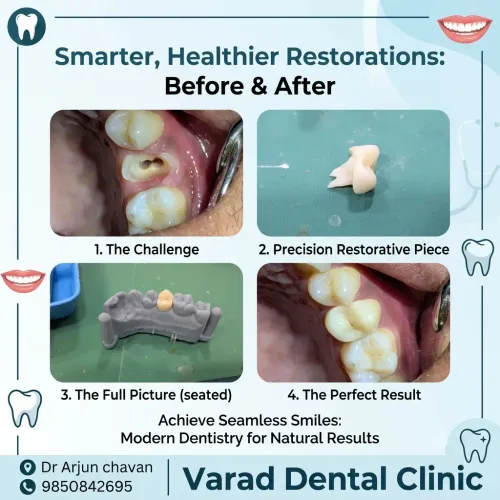
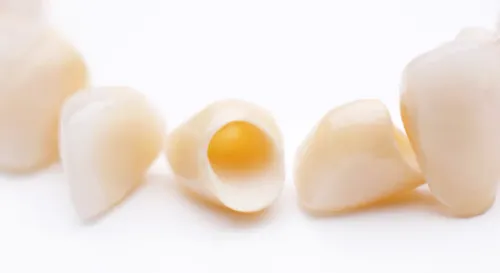
A ceramic crown cap is a custom-made restoration that completely covers a damaged tooth. It is designed to restore the tooth's strength, shape, size, and appearance while protecting it from further wear or fracture.
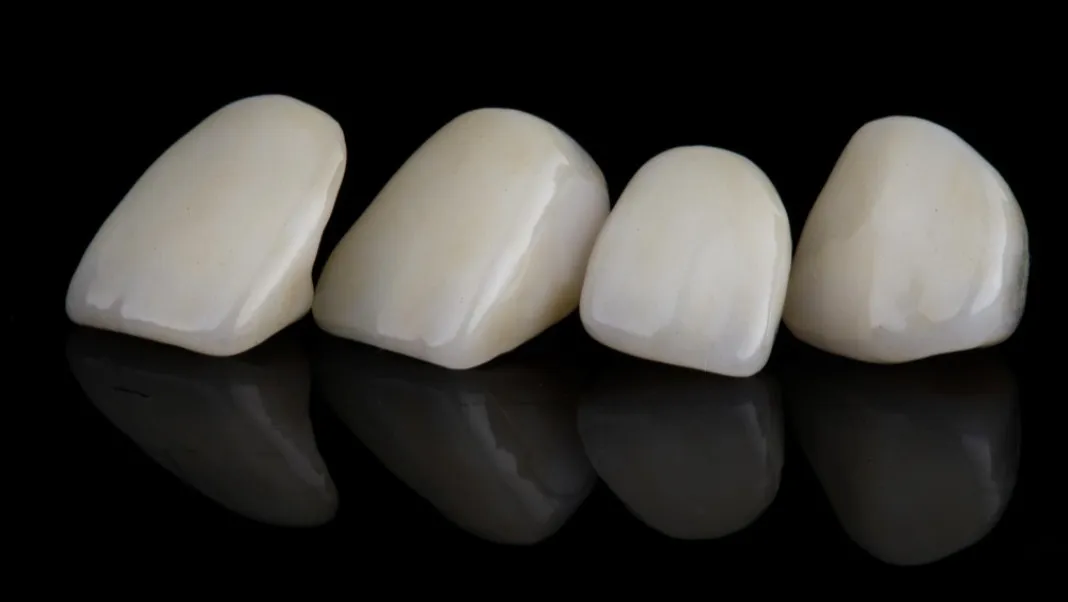
Unlike simple fillings, which repair only a portion of a tooth, a crown provides full coverage and added support. Modern ceramic materials closely resemble natural enamel, making them a preferred option for teeth that are visible when smiling or talking.
Situations Where a Ceramic Crown May Be Recommended
A dentist may suggest a ceramic crown in several situations where preserving the natural tooth is still possible.
Some common reasons include:
- A tooth weakened by a large cavity
- A cracked or fractured tooth
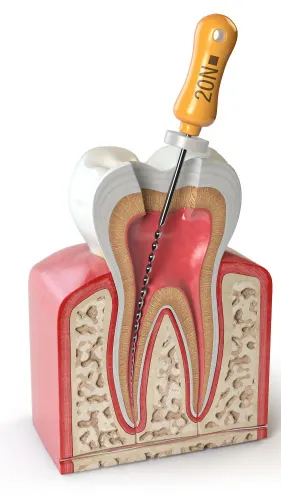
- A tooth that has undergone root canal treatment
- Replacement of an old or damaged crown
- A severely worn tooth due to grinding
- Cosmetic improvement for discoloured or misshapen teeth
The goal is to restore both function and appearance while protecting the remaining healthy tooth structure.
Why Not Just Get a Filling?
Many patients assume that every damaged tooth can be repaired with a filling. While fillings work well for smaller cavities, they may not provide enough support when a large portion of the tooth has been lost.
A ceramic crown is often recommended when:
- The tooth has become structurally weak.
- There is a risk of the tooth breaking during normal chewing.
- Previous fillings have repeatedly failed.
- The remaining tooth requires full protection.
Choosing the appropriate restoration helps reduce the likelihood of future complications.
Advantages of Ceramic Crown Caps
Ceramic crowns have become increasingly popular because they offer both functional and aesthetic benefits.
Some advantages include:
- A natural tooth-like appearance
- Excellent colour matching
- No visible metal margins
- Comfortable fit
- Good compatibility with surrounding gum tissue
- Strong support for weakened teeth
For front and premolar teeth, ceramic crowns often provide an attractive restoration that blends well with neighbouring natural teeth.
What Happens During the Treatment Process?
Receiving a ceramic crown usually requires two visits.
The procedure generally involves:
- A detailed dental examination.
- X-rays if required.
- Preparation of the affected tooth.
- Taking digital or conventional impressions.
- Placement of a temporary crown when necessary.
- Fabrication of the customised ceramic crown.
- Final fitting, adjustment, and cementation.
Every crown is individually designed to match the patient's bite and surrounding teeth.
How Long Does a Ceramic Crown Last?
With proper care, ceramic crowns can remain functional for many years.
Their lifespan depends on several factors, including:
- Daily oral hygiene
- Regular dental check-ups
- Bite pressure
- Teeth grinding habits
- Overall gum health
- Diet and oral care practices
Routine professional examinations help ensure the crown continues to fit properly and remains in good condition.
Caring for Your Ceramic Crown
Maintaining a ceramic crown is very similar to caring for natural teeth.
Good habits include:
- Brushing twice each day
- Cleaning between teeth with floss or interdental brushes
- Limiting very hard foods that may damage restorations
- Wearing a night guard if you grind your teeth
- Visiting your dentist for regular examinations and professional cleaning
These simple practices help protect both the crown and the natural tooth underneath.
Frequently Asked Questions
Will the crown match my natural teeth?
Yes. Ceramic crowns are designed to closely resemble the colour and shape of surrounding teeth, creating a natural-looking result.
Can I eat normally after getting a ceramic crown?
Once the permanent crown is securely placed and your bite has been adjusted, most patients can comfortably return to their regular diet while following any advice provided by their dentist.
Does getting a crown mean the tooth is permanently problem-free?
A crown protects the tooth, but maintaining good oral hygiene remains essential. The underlying tooth and surrounding gums still require regular care to prevent future dental issues.
Choosing the Right Time for Treatment
Delaying treatment for a damaged tooth can sometimes lead to fractures, discomfort, or more extensive dental procedures later. Early evaluation allows the dentist to determine whether a ceramic crown can successfully restore the tooth before additional damage occurs.
Varad Dental Clinic provides comprehensive examinations to determine whether a ceramic crown cap is the most suitable restorative option for each patient. By considering the condition of the tooth, bite function, and aesthetic expectations, the clinic develops personalized treatment plans that focus on preserving natural teeth and supporting long-term oral health.
Keywords