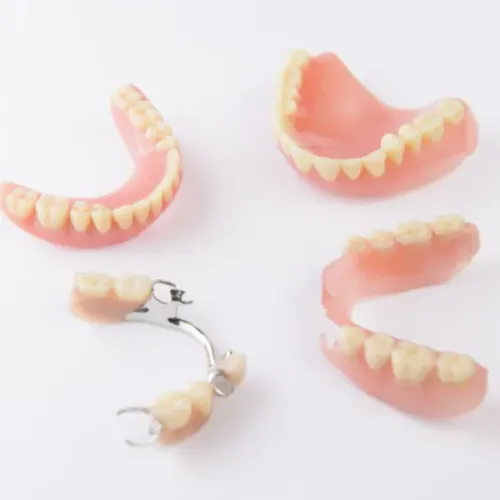
Missing teeth can affect much more than appearance. They influence chewing, speech, facial support, and overall confidence. Fortunately, modern Complete and Partial Dentures offer practical solutions that restore function while helping people maintain a natural-looking smile.
Whether tooth loss occurs because of aging, gum disease, injury, or other dental conditions, understanding available denture options helps patients make informed decisions. For many individuals living in Vadgaon Sheri, Kharadi, Upper Kharadi, Viman Nagar, and Wagholi, knowing the differences between complete and partial dentures is often the first step toward restoring comfortable daily living.
Understanding Complete and Partial Dentures
Dentures are removable dental appliances designed to replace missing teeth.
They generally fall into two categories:
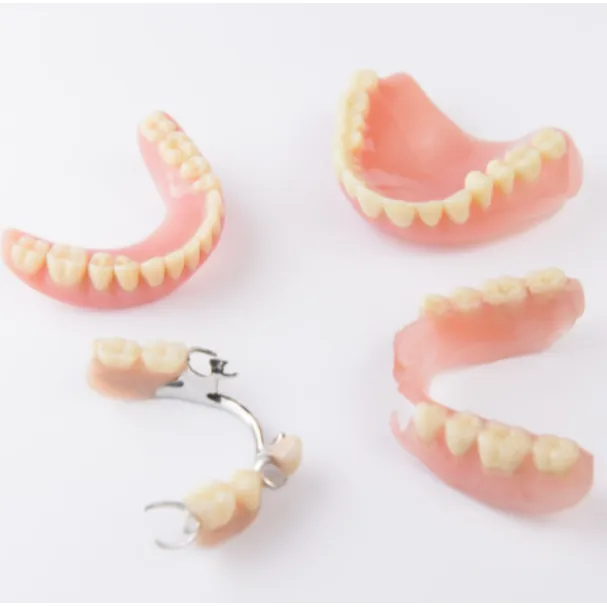
Complete Dentures
Complete dentures replace all teeth in the upper jaw, lower jaw, or both.
They are commonly recommended when no natural teeth remain.
Partial Dentures
Partial dentures replace one or several missing teeth while preserving healthy remaining teeth.
They typically use specially designed clasps or attachments for stability.
The most suitable option depends on the number of missing teeth, jaw condition, oral health, and personal preferences.
Signs That Dentures May Be Worth Considering
Some people postpone treatment because they assume missing teeth are only a cosmetic concern.
However, tooth loss may lead to several functional problems.
Common signs include:
- Difficulty chewing certain foods
- Missing multiple teeth
- Frequent biting of cheeks
- Changes in speech
- Jaw discomfort during eating
- Shifting of nearby teeth
- Reduced facial support
- Lower confidence while smiling
Seeking professional advice early may prevent additional oral complications.
Benefits Beyond Appearance
Dentures provide several practical advantages.
They can help:
- Improve chewing ability
- Support clearer speech
- Restore facial contours
- Prevent excessive movement of remaining teeth
- Increase confidence during conversations
- Make eating more comfortable
While dentures do not function exactly like natural teeth, properly fitted appliances often improve everyday comfort significantly.
What Happens During Denture Treatment?
The process usually involves multiple appointments.
A dentist typically:
- Examines oral health.
- Evaluates remaining teeth.
- Take detailed impressions.
- Determines bite alignment.
- Designs customized dentures.
- Performs fitting adjustments.
- Provides guidance on usage and care.
Several follow-up visits may be needed to ensure the dentures fit comfortably.
Adjusting to New Dentures
It is completely normal for new dentures to feel unusual during the first few weeks.
Patients may notice:
- Increased saliva production
- Mild soreness
- Temporary changes in speech
- Different chewing sensations
Most people gradually adapt with regular use and proper guidance.
Starting with softer foods and chewing slowly often makes the adjustment period easier.
Caring for Dentures Properly
Good maintenance helps extend the lifespan of dentures and protects oral tissues.
Helpful care tips include:
- Clean dentures daily using recommended products.
- Remove dentures before sleeping if advised.
- Store them safely in water or denture solution.
- Attend routine dental reviews.
- Handle dentures carefully to avoid accidental damage.
Good oral hygiene remains important even after tooth replacement.
Are Dentures the Only Option?
Not always.
Depending on individual circumstances, alternatives may include:
- Dental implants
- Implant-supported dentures
- Dental bridges
Each solution offers different benefits based on bone support, overall health, budget, and treatment goals.
A detailed examination helps determine the most suitable option.
Common Questions Patients Ask
Will dentures look natural?
Modern materials allow dentures to resemble natural teeth more closely than many people expect.
Can I eat normally?
Most patients regain comfortable chewing with practice, although certain foods may require adjustment initially.
How long do dentures last?
Dentures usually require periodic adjustments and eventual replacement due to natural changes in the jaw over time.
Making an Informed Decision
Replacing missing teeth is not only about aesthetics. It also supports nutrition, speech, and long-term oral health.
Patients considering tooth replacement benefit from discussing all available options before making a decision. Understanding the advantages and limitations of each treatment allows realistic expectations and better long-term satisfaction.
Varad Dental Clinic evaluates each patient's oral condition individually before recommending complete or partial dentures or other restorative solutions. The clinic focuses on treatment planning that considers comfort, functionality, and long-term oral health while helping patients understand every stage of the process.
Keywords