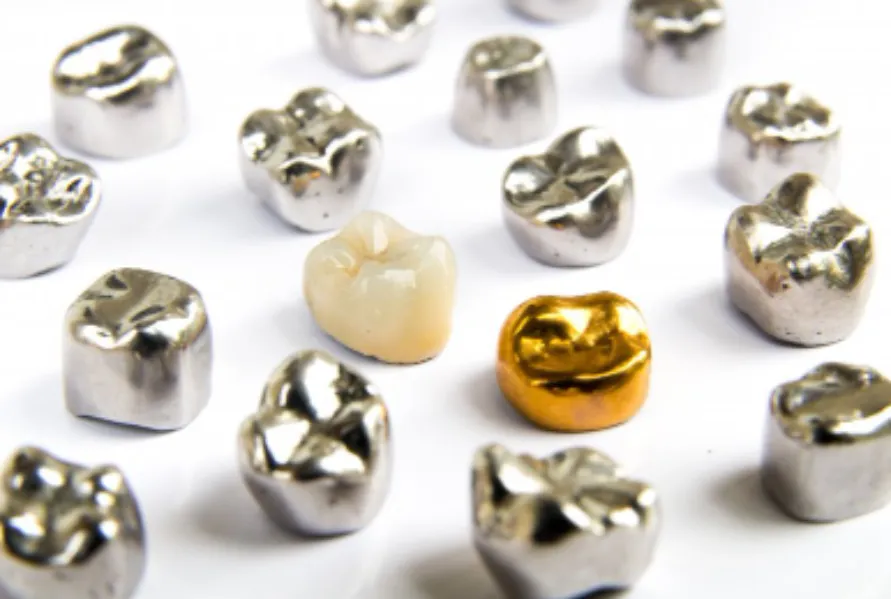
When people think about dental crowns today, they often picture natural-looking ceramic restorations. While ceramic crowns are an excellent option in many situations, a Metal Crown Cap continues to play an important role in restorative dentistry. Its durability, strength, and long-term performance make it a practical solution for certain teeth, particularly those that experience heavy chewing pressure.
If you have been advised to get a dental crown and are unsure why your dentist has suggested a metal crown instead of a ceramic one, understanding the purpose of each material can help you make a well-informed decision. Patients across Vadgaon Sheri, Kharadi, Upper Kharadi, Viman Nagar, and Wagholi often benefit from discussing these options before beginning treatment.
What Is a Metal Crown Cap?
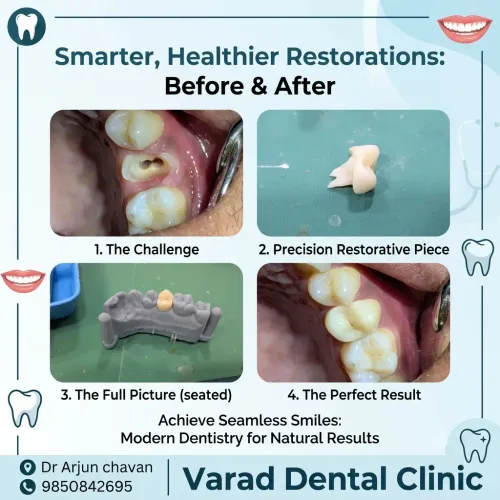
A metal crown cap is a full-coverage dental restoration made from specially designed dental alloys. It is custom fabricated to fit over a prepared tooth, restoring its strength, shape, and function.
Unlike fillings that repair only part of a tooth, a crown surrounds the entire visible portion above the gum line. This added protection helps weakened teeth withstand normal chewing forces while reducing the risk of fractures.
Metal crowns have been used successfully in dentistry for decades because of their proven durability and reliable performance.
When Is a Metal Crown Recommended?
Although ceramic restorations are highly popular, there are situations where a metal crown may be the more suitable option.
Dentists may recommend it for:
- Back molars that handle heavy chewing pressure
- Teeth with significant structural damage
- Teeth following root canal treatment
- Patients who grind or clench their teeth
- Situations where long-term durability is the primary concern
Every recommendation is based on a clinical examination rather than personal preference alone.
Advantages of a Metal Crown Cap
Metal crowns continue to be chosen because they offer several practical benefits.
These include:
- Excellent resistance to wear
- High strength under chewing forces
- Long service life with proper care
- Reduced likelihood of chipping compared with some tooth-coloured materials
- Reliable protection for weakened teeth
Because of these qualities, metal crowns are commonly used on teeth that are rarely visible when smiling.
Does a Metal Crown Affect Appearance?
The most noticeable difference between metal and ceramic crowns is appearance.
A metal crown has a metallic colour, making it less suitable for front teeth where aesthetics are important. However, for back teeth that are not easily seen, many patients choose strength and longevity over appearance.
Your dentist will consider both cosmetic expectations and functional requirements before recommending a crown material.
How Is the Crown Placed?
The treatment process generally involves two appointments.
The usual steps include:
- A detailed dental examination.
- X-rays when required.
- Preparation of the affected tooth.
- Taking impressions or digital scans.
- Placement of a temporary crown if needed.
- Fabrication of the custom metal crown.
- Final fitting and bite adjustment.
The finished crown is checked carefully to ensure it fits comfortably and functions naturally during chewing.
Can a Metal Crown Last for Many Years?
With appropriate care, metal crowns are known for their long-term durability.
Their lifespan depends on factors such as:
- Daily oral hygiene
- Overall gum health
- Bite forces
- Regular dental examinations
- Avoiding habits such as chewing ice or hard objects
Maintaining healthy surrounding gums is just as important as protecting the crown itself.
Caring for a Metal Crown
Looking after a metal crown is similar to caring for natural teeth.
Good oral care includes:
- Brushing twice daily
- Cleaning between teeth every day
- Visiting the dentist for routine check-ups
- Having professional cleanings as recommended
- Reporting any looseness or discomfort promptly
Consistent oral hygiene helps protect the natural tooth supporting the crown.
Common Questions About Metal Crowns
Will I notice the crown while eating?
Once properly fitted, most patients adapt quickly and chew comfortably without noticing significant differences.
Can a metal crown rust?
Dental alloys used for crowns are specifically developed for use inside the mouth and are designed to resist corrosion under normal oral conditions.
Can the crown be replaced later?
Yes. If necessary, crowns can be replaced in the future based on wear, damage, or changes in oral health.
How Does Your Dentist Decide Between Metal and Ceramic?
Selecting the right crown is not simply a matter of choosing the strongest or most attractive material.
A dentist evaluates several factors, including:
- Which tooth requires restoration
- The amount of remaining natural tooth
- Bite pressure
- Oral hygiene habits
- Cosmetic expectations
- Long-term treatment goals
Each patient's situation is unique, which is why treatment recommendations are personalized.
Varad Dental Clinic carefully assesses the condition of every damaged tooth before recommending a metal crown cap or another suitable restoration. By considering durability, function, aesthetics, and long-term oral health, the clinic helps patients receive treatment that restores comfortable chewing while preserving as much natural tooth structure as possible.
Keywords