Wisdom teeth are the last permanent teeth to develop, usually appearing between the ages of 17 and 25. While some people never experience problems with them, others may develop pain, swelling, infections, or difficulty cleaning these teeth properly. When complications arise, Wisdom Tooth Removal may be recommended to protect overall oral health and prevent future dental issues.
Many young adults and working professionals in Vadgaon Sheri, Kharadi, Upper Kharadi, Viman Nagar, and Wagholi seek dental advice after experiencing discomfort near the back of the mouth. Understanding why wisdom teeth sometimes require removal helps patients make informed decisions rather than waiting until symptoms become severe.
What Are Wisdom Teeth?
Wisdom teeth are the third set of molars located at the back of the mouth. Most people develop four wisdom teeth, although some may have fewer or none at all.
Years ago, these teeth were more useful because human diets included tougher foods that required additional chewing power. Today, modern jaw structures often do not provide enough room for wisdom teeth to erupt properly.
As a result, they may remain trapped beneath the gums or emerge only partially, increasing the likelihood of dental problems.
Why Do Wisdom Teeth Cause Problems?
Not every wisdom tooth requires removal. However, several situations can make treatment necessary.
Impacted Wisdom Teeth
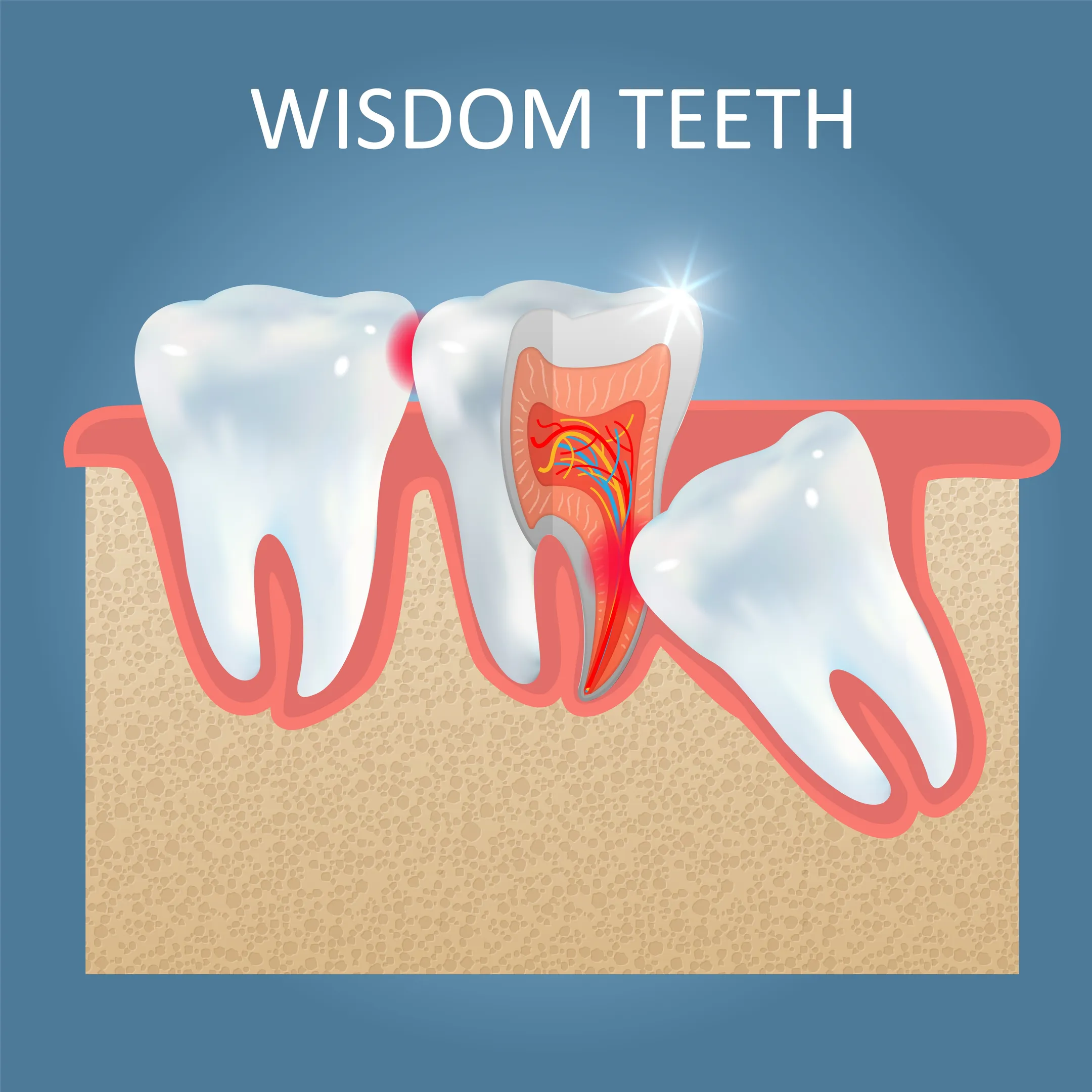
A wisdom tooth may become trapped beneath the gum or bone because there is insufficient space for normal eruption.
Partial Eruption
Sometimes only a portion of the tooth emerges through the gum. This creates areas where food particles and bacteria become trapped, increasing the risk of infection.
Crowding
A developing wisdom tooth can place pressure on neighbouring teeth, particularly when there is limited space in the jaw.
Tooth Decay
Because wisdom teeth are difficult to clean, they are often more susceptible to cavities.
Gum Infection
Food accumulation around partially erupted wisdom teeth may lead to repeated gum inflammation and discomfort.
Symptoms That Should Prompt a Dental Evaluation
It is important not to ignore persistent discomfort around the back teeth.
Common warning signs include:
- Pain behind the last molar
- Swollen or tender gums
- Difficulty opening the mouth fully
- Bad breath that does not improve with brushing
- Pain while chewing
- Swelling around the jaw
- Frequent food trapping behind the last tooth
Even if symptoms appear occasionally, they may indicate an underlying issue that requires professional assessment.
How Dentists Decide Whether Removal Is Necessary
A recommendation for wisdom tooth removal is based on more than just pain.
Your dentist will typically evaluate:
- The position of the wisdom tooth
- Available space in the jaw
- Gum health
- Presence of infection
- Damage to nearby teeth
- X-ray findings
- Future risk of complications
Some wisdom teeth remain healthy and functional throughout life, while others may benefit from early removal before they cause repeated problems.
What Happens During Wisdom Tooth Removal?
Patients are often surprised to learn that the procedure follows a well-planned and systematic process.
Treatment usually includes:
- Clinical examination
- Dental X-rays
- Discussion of the treatment plan
- Administration of local anaesthesia
- Careful removal of the wisdom tooth
- Cleaning of the treatment area
- Post-procedure instructions for healing
The complexity of the procedure depends on whether the tooth is fully erupted, partially erupted, or impacted beneath the gum or bone.
Recovery Tips After Wisdom Tooth Removal
Healing varies from person to person, but following post-operative instructions supports a smoother recovery.
Helpful recommendations include:
- Rest during the first 24 hours.
- Apply cold compresses to reduce swelling if advised.
- Eat soft foods for several days.
- Avoid drinking through straws.
- Maintain gentle oral hygiene around the surgical area.
- Take prescribed medications exactly as directed.
- Attend follow-up appointments if scheduled.
Most patients gradually resume normal activities within a few days, although complete healing may take longer.
Can Delaying Removal Lead to Complications?
Waiting too long can sometimes increase the risk of:
- Recurrent infections
- Damage to adjacent teeth
- Gum disease around neighbouring molars
- Tooth decay
- Jaw discomfort
- Cyst formation in certain cases
Regular dental check-ups allow dentists to monitor wisdom teeth before these complications develop.
Is Every Wisdom Tooth Removed?
No.
Many wisdom teeth remain healthy, properly aligned, and easy to clean. In such situations, removal may not be necessary.
The decision depends on the individual's oral health, symptoms, and clinical findings rather than age alone. Regular monitoring allows dentists to identify changes early and recommend treatment only when appropriate.
Varad Dental Clinic carefully evaluates wisdom teeth using clinical examination and diagnostic imaging before recommending removal. Patients receive clear explanations about the condition of their wisdom teeth, available treatment options, expected recovery, and practical guidance to help maintain long-term oral health.
Keywords