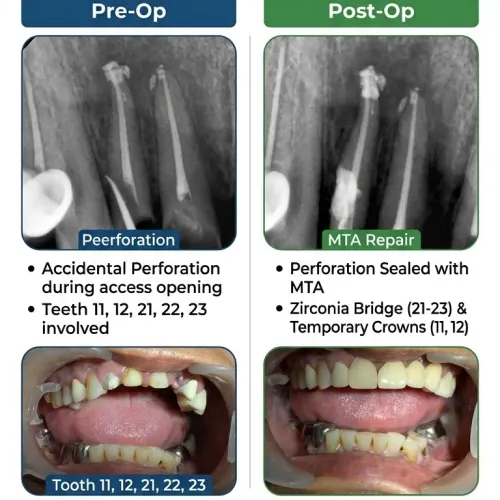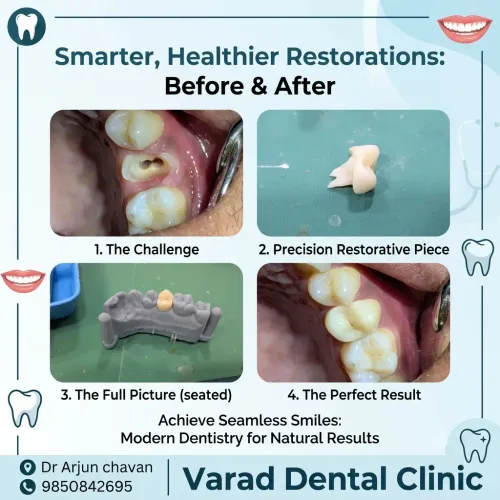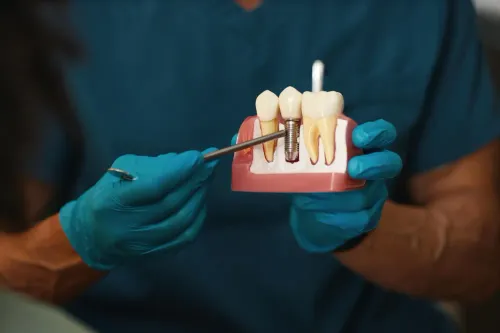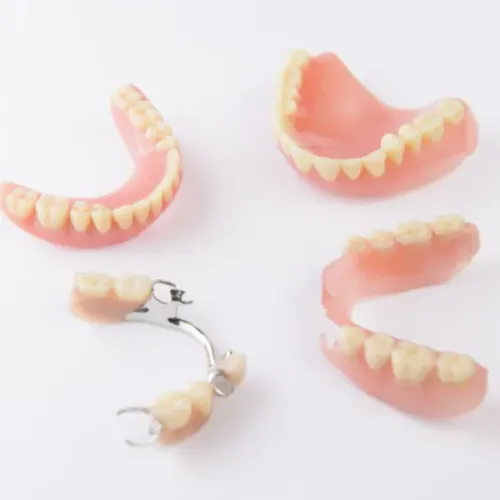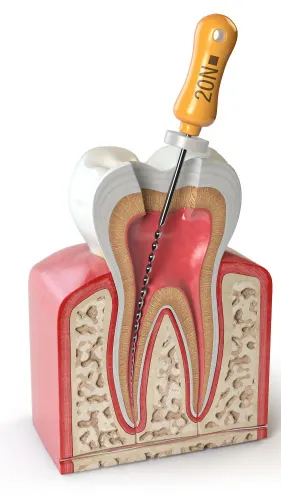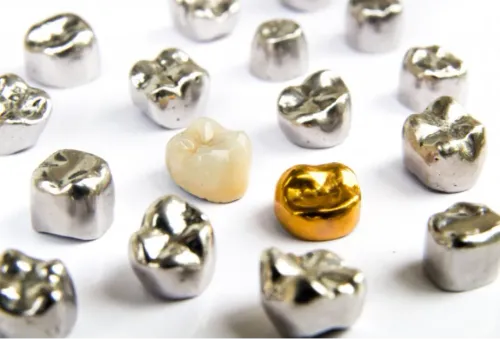
A damaged or weakened tooth does not always need extensive treatment or removal. In many situations, restoring the tooth with a Ceramic Crown Cap helps protect it while allowing you to continue eating, speaking, and smiling comfortably. Whether the tooth has been weakened by decay, a large filling, or root canal treatment, choosing the right crown plays an important role in maintaining long-term oral health.
For people in Vadgaon Sheri, understanding when a ceramic crown is recommended and what to expect during treatment can help make the decision easier and more informed.
What Is a Ceramic Crown Cap?
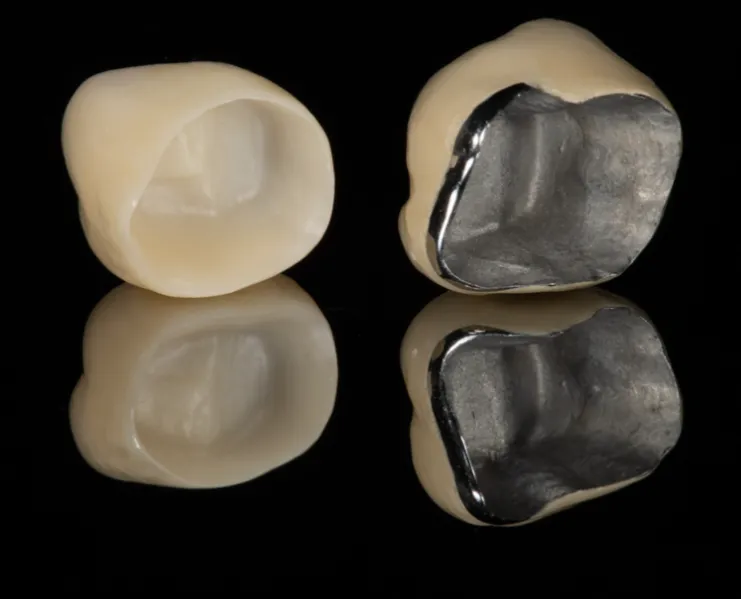
A ceramic crown is a custom-made covering that fits over a damaged tooth. It restores the tooth's shape, size, and strength while protecting it from further wear or fracture. Modern ceramic crowns are designed to resemble natural teeth, making them a preferred option for many patients seeking both durability and aesthetics.
Every crown is individually fabricated to match the colour and contour of the surrounding teeth, helping it blend naturally into your smile.
When Might You Need a Ceramic Crown?
A dentist may recommend a ceramic crown in several situations where a tooth requires additional support.
Common reasons include:
- A tooth weakened after root canal treatment
- Large fillings that no longer provide sufficient strength
- Broken or chipped teeth
- Teeth with excessive wear
- Cosmetic improvement for severely discoloured teeth
- Protection of structurally weakened teeth
The recommendation depends on the condition of the tooth rather than appearance alone.
Signs That a Tooth May Need More Than a Filling
Some dental problems cannot be effectively treated with a simple filling. A crown may provide better long-term protection if you notice:
- Pain while chewing
- Visible cracks in the tooth
- Repeated fracture of existing fillings
- Significant loss of tooth structure
- Persistent sensitivity after previous restorations
An early dental examination helps prevent the damage from becoming more extensive.
What Happens During the Treatment?
The procedure is usually completed over two appointments.
During the first visit, the dentist examines the tooth, removes any damaged tissue, and reshapes it so the crown fits securely. Digital scans or impressions are then taken to create a customised restoration. A temporary crown may be placed while the permanent one is being fabricated.
At the second appointment, the ceramic crown is checked for fit, appearance, and bite before being permanently cemented.
Careful adjustments ensure that the restoration feels comfortable and functions naturally.
Benefits of Choosing a Ceramic Crown
Ceramic crowns offer several advantages for both function and appearance.
These include:
- Natural-looking colour
- Smooth surface that resembles enamel
- Comfortable fit
- Good chewing efficiency
- Long-lasting protection with proper care
- Improved appearance of damaged teeth
- Suitable for visible areas of the mouth
Many patients appreciate that ceramic restorations provide both strength and aesthetics without compromising everyday comfort.
Looking After Your Crown
Maintaining a ceramic crown is similar to caring for your natural teeth.
Simple daily habits include:
- Brushing twice each day
- Cleaning between the teeth
- Limiting hard objects such as ice or pen caps
- Attending routine dental check-ups
- Seeking prompt care if the crown feels loose or uncomfortable
Although the crown itself cannot decay, the natural tooth beneath it still requires good oral hygiene.
When Should You Visit Your Dentist?
Even after receiving a ceramic crown, regular examinations remain important.
Arrange a dental visit if you experience:
- Pain around the crowned tooth
- Sensitivity that persists
- Difficulty while biting
- A loose crown
- Visible damage to the restoration
Addressing these concerns early helps prevent additional complications.
For people in Vadgaon Sheri considering a Ceramic Crown Cap, a professional dental assessment is the first step toward restoring a damaged tooth safely and effectively. Varad Dental Clinic recommends treatment only after evaluating each patient's oral health, ensuring that every restoration is planned to support long-term function and comfort.
Keywords