Healthy gums provide the foundation for strong teeth, yet they often receive less attention than the teeth themselves. Gum disease usually develops gradually, and many people do not realise its seriousness until they notice loose teeth, persistent bleeding, or gum recession. In some situations, routine cleaning alone may not be enough to control advanced gum disease. This is when Periodontal Surgery becomes an important treatment option.
Residents of Wagholi who experience ongoing gum problems should understand that timely treatment can help protect both their gums and natural teeth. Addressing advanced periodontal disease early often reduces the risk of tooth loss and improves overall oral health.
What Is Periodontal Disease?
Periodontal disease is an infection of the tissues that support the teeth. It usually begins with plaque accumulation around the gum line. If plaque is not removed through proper brushing and professional cleaning, it hardens into tartar, allowing bacteria to multiply beneath the gums.
As the infection progresses, the gums pull away from the teeth, creating pockets where more bacteria collect. Without treatment, the supporting bone and connective tissues may gradually become damaged.
Signs That Should Not Be Ignored
Many people overlook early gum disease because it may not cause significant pain. However, several warning signs indicate that professional evaluation is necessary.
These include:
- Bleeding while brushing or flossing
- Swollen or red gums
- Persistent bad breath
- Gum recession
- Loose teeth
- Pain while chewing
- Pus around the gums
- Changes in the way the teeth fit together
Seeking treatment at an early stage can often prevent further damage.
When Is Periodontal Surgery Recommended?
Not every patient with gum disease requires surgery. Mild and moderate cases often respond well to professional cleaning and improved oral hygiene.
Surgery may be advised when:
- Deep gum pockets remain after non-surgical treatment.
- Bone loss has progressed significantly.
- Gum tissue has receded extensively.
- Infection persists despite initial therapy.
- The supporting structures around the teeth require repair.
The decision is always based on a detailed examination and diagnostic findings.
Types of Periodontal Surgical Procedures
Different surgical techniques are selected depending on the severity of the condition.
Common procedures include:
- Pocket reduction surgery to remove bacteria and reduce deep pockets.
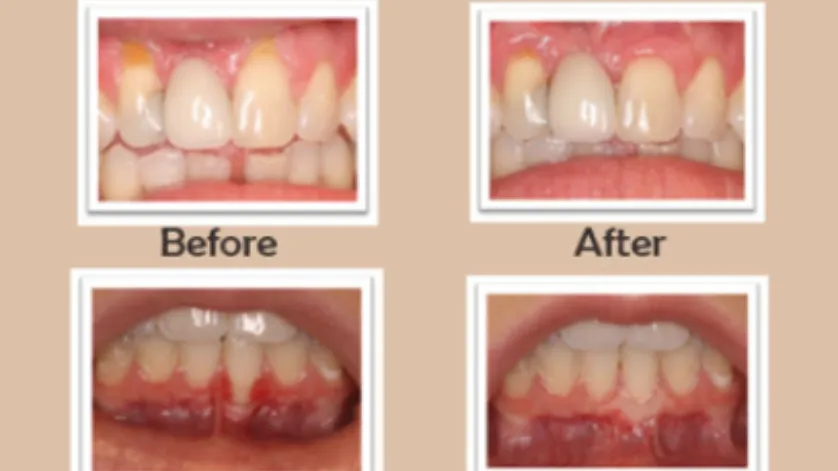
- Gum grafting to cover exposed tooth roots.
- Bone grafting to support areas affected by bone loss.
- Regenerative procedures that encourage healing of damaged tissues.
- Crown lengthening when additional tooth structure needs to be exposed.
Each procedure is designed to improve gum health while preserving natural teeth whenever possible.
Benefits of Timely Surgical Treatment
Appropriate periodontal surgery offers several long-term advantages.
These include:
- Better control of gum infection
- Reduced gum pocket depth
- Improved gum attachment
- Easier cleaning around the teeth
- Lower risk of future tooth loss
- Better oral function
- Improved smile appearance in suitable cases
Maintaining healthy gums also supports the success of other dental treatments.
Recovery and Aftercare
Recovery varies depending on the procedure performed. Most patients experience mild swelling or discomfort that gradually improves over several days.
To support healing:
- Follow medication instructions carefully.
- Eat soft foods during the initial recovery period.
- Avoid smoking, as it slows healing.
- Brush gently around the treated area.
- Attend scheduled review appointments.
Good oral hygiene after surgery plays an important role in preventing the recurrence of gum disease.
Preventing Advanced Gum Disease
Although some risk factors cannot be changed, many cases of periodontal disease can be prevented through consistent oral care.
Helpful habits include:
- Brushing twice daily.
- Cleaning between the teeth every day.
- Visiting the dentist for routine examinations.
- Scheduling professional cleaning as recommended.
- Managing conditions such as diabetes under medical guidance.
- Avoiding tobacco products.
Early detection remains the most effective way to prevent serious gum problems from developing.
For individuals in Wagholi experiencing persistent gum concerns, understanding the role of Periodontal Surgery can help them make informed decisions about their oral health. Varad Dental Clinic evaluates each patient's condition carefully before recommending appropriate treatment, with a focus on preserving healthy gums and natural teeth whenever possible.
Keywords