A persistent toothache can make it difficult to eat, sleep, or concentrate on daily activities. While some dental problems can be managed with simple fillings, deeper infections inside the tooth often require Root Canal Treatment to preserve the natural tooth. Many people living in Kharadi worry that this procedure is painful or that tooth removal is a better option. In reality, modern dentistry has made root canal treatment a comfortable and highly effective solution for treating infected teeth while maintaining your natural smile.
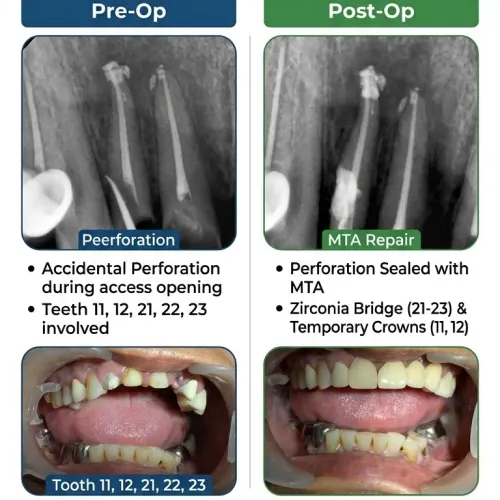
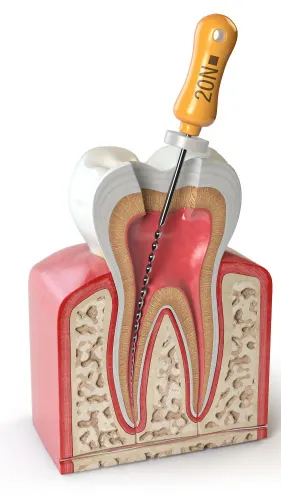
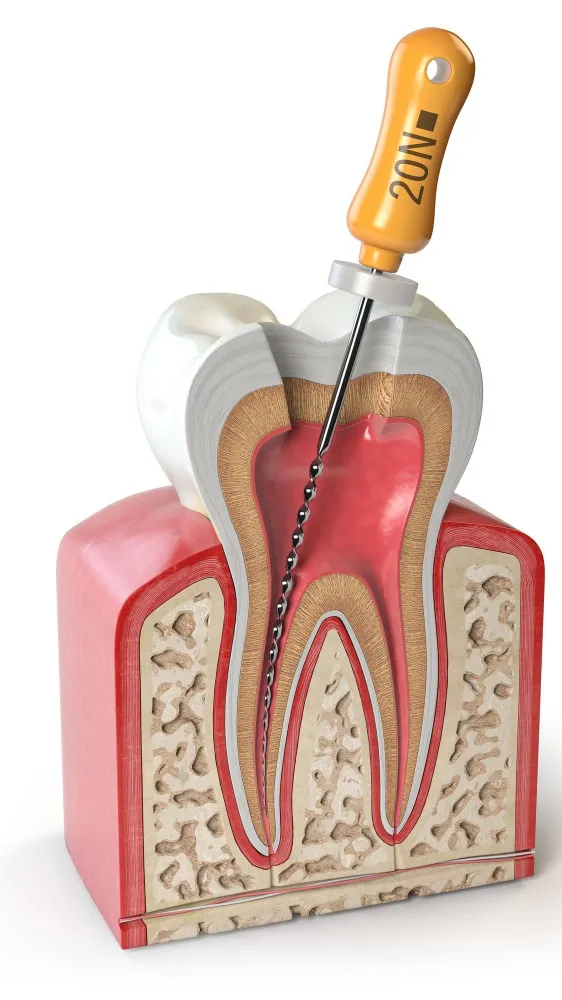
A tooth consists of an outer enamel layer, a middle dentin layer, and an inner pulp that contains nerves and blood vessels. When bacteria reach the pulp because of untreated cavities, cracks, trauma, or repeated dental procedures, the tissue becomes inflamed or infected. At this stage, medications alone cannot eliminate the infection. A root canal removes the damaged pulp, cleans the canals thoroughly, disinfects the inside of the tooth, and seals it to prevent future infection.
Signs You May Need Root Canal Treatment
Many patients ignore early symptoms until the pain becomes severe. Some common warning signs include:
- Continuous or throbbing tooth pain
- Sharp pain while chewing
- Sensitivity to hot or cold that lasts even after the stimulus is removed
- Swollen or tender gums around the affected tooth
- Darkening or discoloration of the tooth
- A recurring pimple-like swelling on the gums
These symptoms should never be ignored because delaying treatment may allow the infection to spread to surrounding tissues.
What Happens During the Procedure?
One of the biggest misconceptions is that root canal treatment is painful. With modern local anaesthesia and improved techniques, most patients experience little discomfort during the procedure.
The treatment usually includes these steps:
- Clinical examination and digital X-rays to assess the infection.
- Administration of local anaesthesia for patient comfort.
- Removal of infected pulp tissue.
- Cleaning and shaping of the root canals.
- Disinfection of the canals.
- Filling the canals with a biocompatible material.
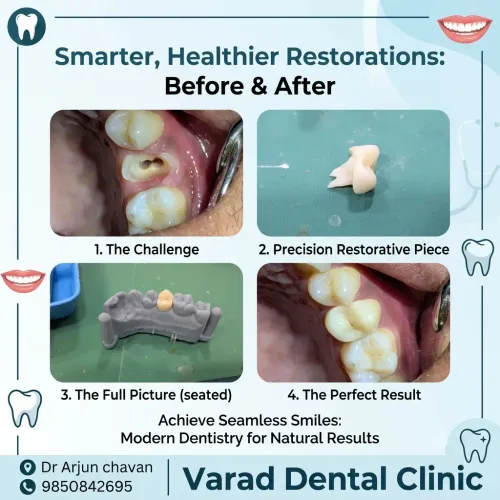
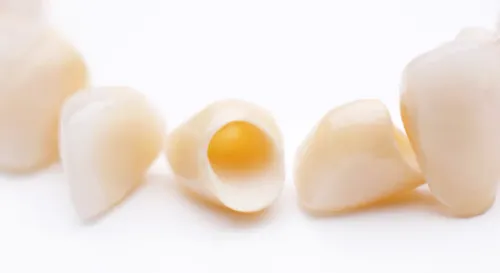
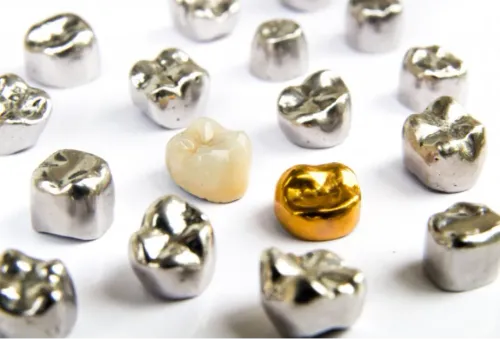
- Restoring the tooth with a permanent filling or crown when required.
Depending on the severity of the infection, treatment may be completed in one or multiple visits.
Benefits of Saving Your Natural Tooth
Whenever possible, dentists prefer preserving a natural tooth instead of extracting it. A successful root canal offers several long-term benefits.
- Maintains natural chewing efficiency
- Prevents neighbouring teeth from shifting
- Preserves jawbone structure
- Restores normal appearance
- Eliminates infection and pain
- Reduces the need for more complex dental procedures
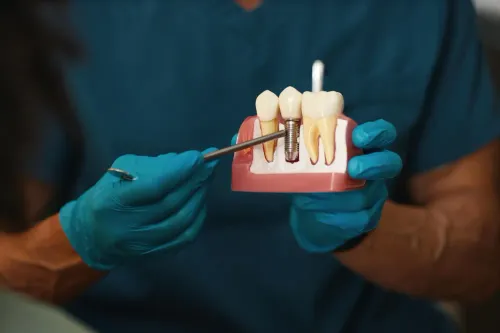
Keeping your own tooth is generally more beneficial than replacing it later with a bridge or implant.
Is Tooth Extraction a Better Option?
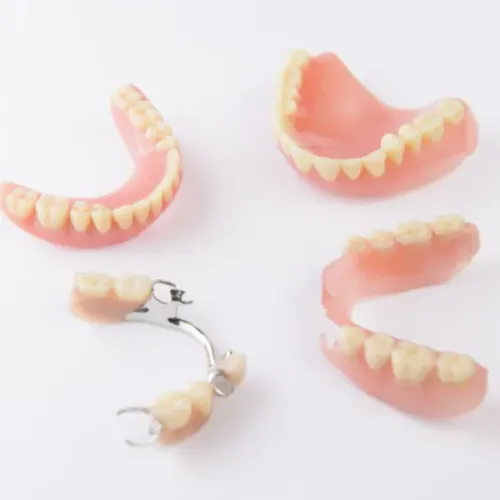
Many patients ask whether removing the tooth is easier. While extraction may seem like a quicker solution, it often creates additional challenges. Missing teeth can affect chewing, speech, bite alignment, and facial appearance. Replacing an extracted tooth with an implant or bridge also involves additional procedures and expenses.
Root canal treatment allows you to retain your natural tooth while addressing the underlying infection.
Recovery After Root Canal Treatment
Most people return to their regular routine within a day. Mild tenderness for a few days is normal and usually managed with prescribed medications.
To support healing:
- Avoid chewing hard foods until the permanent restoration is completed.
- Maintain good oral hygiene.
- Brush and floss gently around the treated tooth.
- Attend follow-up appointments as advised.
A properly restored tooth can remain functional for many years with good oral care.
Preventing Future Root Canal Treatment
Although not every case can be prevented, healthy habits significantly reduce the risk of deep tooth infections.
- Brush twice daily using fluoride toothpaste.
- Floss regularly to remove plaque between teeth.
- Limit sugary snacks and beverages.
- Visit your dentist for routine examinations.
- Treat cavities before they become extensive.
- Wear a mouthguard during sports if there is a risk of dental injury.
Early intervention often prevents minor decay from progressing into pulp infection.
For residents of Kharadi seeking reliable information about Root Canal Treatment, timely diagnosis plays a key role in preserving natural teeth. Varad Dental Clinic focuses on identifying dental problems early and recommending treatments based on each patient's condition. Patients looking for additional information about available dental services can also explore the clinic's website, varaddentalcare.com, to understand different treatment options and preventive care recommendations.
Keywords