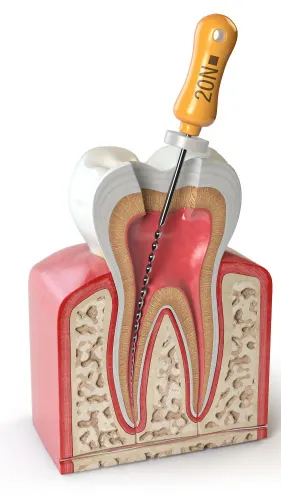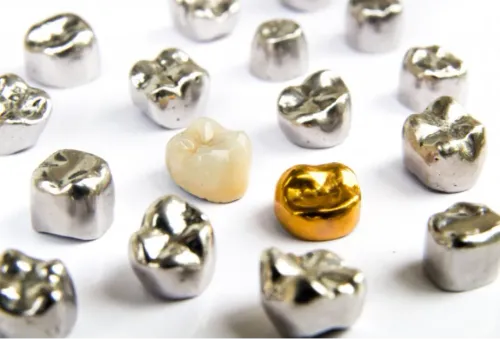
Most dentists make every effort to preserve natural teeth whenever possible. Treatments such as fillings, root canal therapy, and crowns are often successful in restoring damaged teeth. However, there are situations where saving a tooth is no longer possible or may negatively affect the health of surrounding teeth and gums. In these cases, Tooth Extraction becomes the most suitable solution.
For people in Upper Kharadi, understanding why a tooth may need to be removed can reduce anxiety and help them seek timely treatment before the problem becomes more serious. Modern extraction techniques focus on patient comfort, careful planning, and quicker recovery than many people expect.
What Is Tooth Extraction?
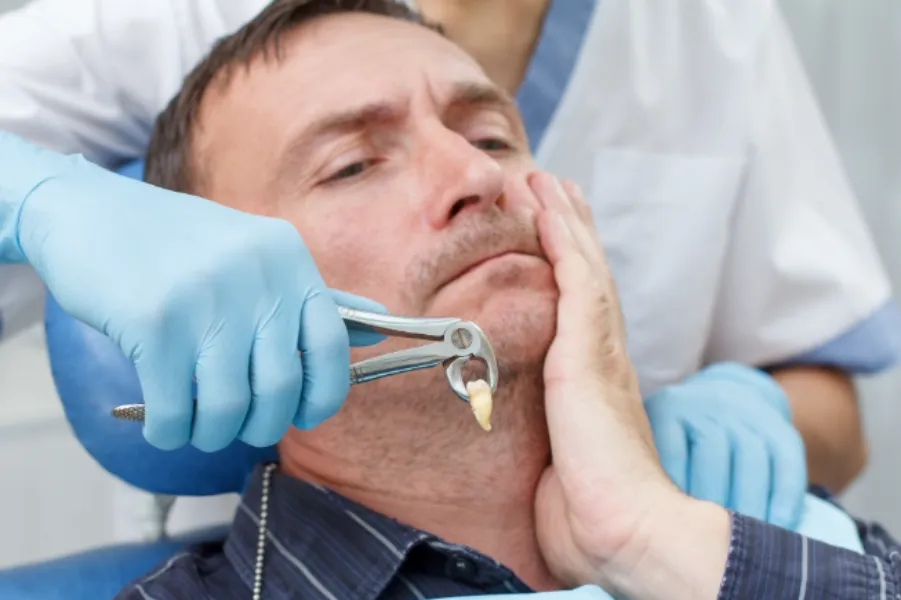
Tooth extraction is a dental procedure in which a tooth is carefully removed from its socket in the jawbone. The procedure may be simple or slightly more complex depending on the position of the tooth and the condition of its roots.
Before recommending an extraction, a dentist performs a detailed examination that may include digital X-rays to evaluate the tooth, surrounding bone, and nearby structures.
The goal is always to choose the treatment that offers the best long-term outcome for your oral health.
Common Reasons for Tooth Extraction
A tooth may need to be removed for several reasons.
Some of the most common include:
- Severe tooth decay that cannot be restored
- Advanced gum disease causing loose teeth
- Deep fractures extending below the gum line
- Serious dental infections
- Overcrowded teeth before orthodontic treatment
- Broken teeth that cannot be repaired
- Trauma caused by accidents
Removing a severely damaged tooth can prevent infection from spreading and improve overall oral health.
What Happens Before the Procedure?
Many patients feel nervous because they are unsure what to expect. Knowing the process often makes the experience less stressful.
Your dentist will usually:
- Review your medical history.
- Examine your teeth and gums.
- Take digital X-rays.
- Explain the treatment plan.
- Discuss medicines you may be taking.
- Answer any questions about the procedure.
If the tooth is badly infected, medication may sometimes be recommended before treatment.
During the Extraction
Modern tooth extraction is performed under local anaesthesia, which numbs the treatment area. Most patients feel pressure during the procedure but should not experience significant pain.
The dentist gently loosens the tooth before removing it carefully. If the tooth is difficult to access or has multiple roots, a slightly more advanced technique may be required.
The treatment is usually completed within a short period, although the exact time depends on the complexity of the case.
Caring for the Extraction Site
Proper aftercare helps the area heal well and reduces the chance of complications.
For the first few days:
- Bite gently on the gauze provided by your dentist.
- Avoid rinsing vigorously for the first 24 hours.
- Eat soft foods while healing begins.
- Drink plenty of water.
- Avoid smoking and alcohol.
- Do not touch the extraction site with your fingers or tongue.
- Take prescribed medicines exactly as instructed.
Following these guidelines helps protect the blood clot that forms naturally during healing.
When Should You Contact Your Dentist?
Mild discomfort and swelling are normal after extraction. However, certain symptoms require professional attention.
These include:
- Heavy bleeding that continues for several hours
- Severe pain after the initial recovery period
- Swelling that increases instead of improving
- Fever
- Difficulty opening the mouth
- Bad taste or discharge from the extraction area
Prompt evaluation helps prevent further complications.
Replacing a Missing Tooth
Not every extracted tooth requires replacement, but many do. Leaving a gap for a long period may allow neighbouring teeth to shift, affect chewing, and alter your bite.
Depending on your situation, replacement options may include:
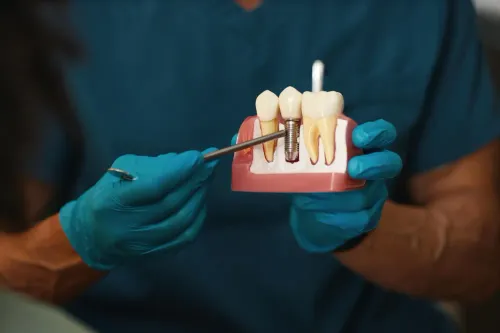
- Dental implants
- Dental bridges
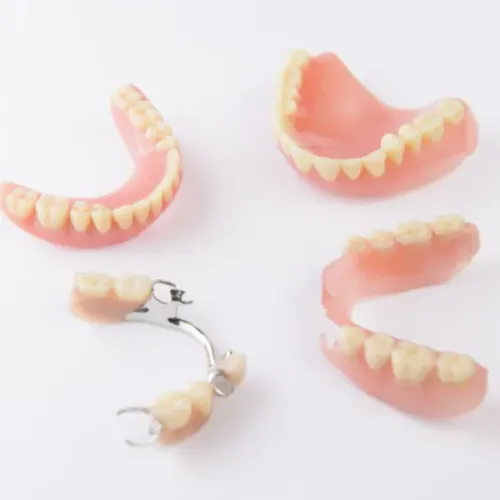
- Partial dentures
Your dentist will recommend the most appropriate option based on your oral health, bone condition, and long-term needs.
People in Upper Kharadi who are advised to undergo Tooth Extraction should understand that the decision is made only after exploring suitable alternatives. Varad Dental Clinic evaluates every case individually and recommends treatment that supports long-term oral health while ensuring patient comfort throughout the process.
Keywords