Losing a tooth can affect much more than appearance. It may change the way you chew, influence speech, and gradually affect the alignment of nearby teeth. Fortunately, modern dentistry offers reliable solutions to replace missing teeth, and a Tooth Implant is one of the most effective long-term options.
Many people in Wagholi are interested in dental implants but often have questions about eligibility, treatment steps, healing, and long-term care. Understanding the procedure before making a decision can help you feel more confident and prepared.
What Is a Tooth Implant?
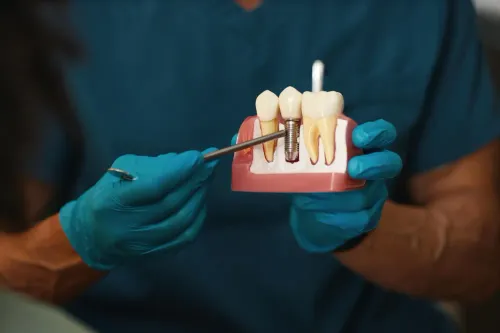
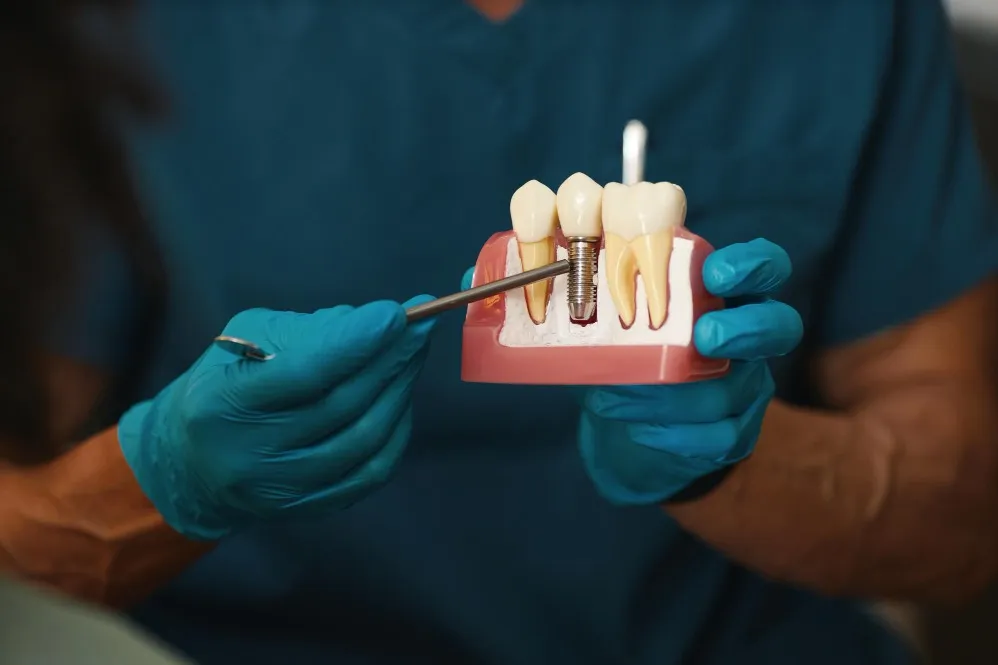
A tooth implant is an artificial tooth root, usually made from biocompatible titanium, that is placed into the jawbone to support a replacement tooth. Once healing is complete, the implant acts as a stable foundation for a dental crown.
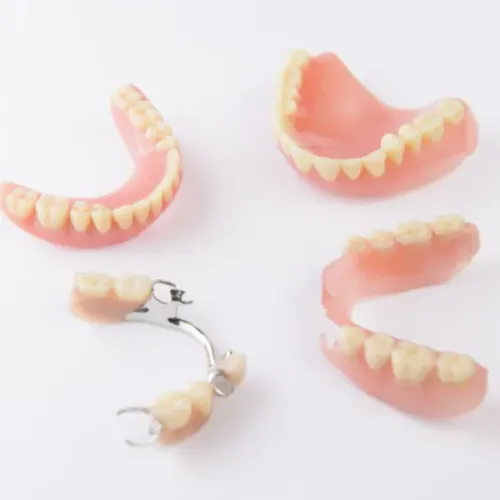
Unlike removable dentures, implants remain securely fixed in the mouth, allowing patients to eat, speak, and smile with greater confidence.
The replacement tooth is designed to match the surrounding natural teeth for a balanced appearance.
Who Can Consider Dental Implants?
Dental implants are suitable for many adults who have lost one or more teeth.
You may be a suitable candidate if you:
- Have one or more missing teeth
- Have healthy gums
- Have adequate jawbone support
- Maintain good oral hygiene
- Are in good general health
- Are looking for a long-term tooth replacement option
A detailed dental examination and diagnostic imaging help determine whether implant treatment is appropriate.
How Does the Treatment Progress?
Dental implant treatment is carefully planned to achieve predictable results.
The process generally involves:
- Comprehensive oral examination
- Digital scans or X-rays
- Treatment planning
- Placement of the implant into the jawbone
- Healing period for bone integration
- Placement of the final crown
Healing time varies from person to person because every patient's bone and overall health are different.
Why Many Patients Choose Dental Implants
Dental implants offer several practical advantages when compared with leaving a missing tooth untreated.
Some key benefits include:
- Restores chewing efficiency
- Helps maintain natural speech
- Supports jawbone health
- Prevents neighbouring teeth from shifting
- Looks similar to a natural tooth
- Provides stable and secure function
- Does not rely on adjacent teeth for support
These benefits contribute to better oral function and improved comfort during daily activities.
Caring for a Dental Implant
Although implants cannot develop cavities, they still require proper maintenance to keep the surrounding gums healthy.
Daily care includes:
- Brushing thoroughly twice a day
- Cleaning between the teeth
- Attending regular dental check-ups
- Following professional cleaning recommendations
- Avoiding tobacco whenever possible
Healthy gums play an important role in the long-term success of implant treatment.
Common Questions Patients Ask
Many patients wonder whether implants feel different from natural teeth. Once healing is complete, most people become comfortable with their implant and use it much like a natural tooth.
Others ask how long implants last. While the implant itself is designed for long-term function, its success depends on oral hygiene, regular professional care, and overall health.
Patients also ask whether age is a limiting factor. In most cases, overall health and bone quality are more important than age alone.
Making an Informed Decision
Replacing a missing tooth is a significant step toward improving oral function and maintaining long-term dental health. The most appropriate treatment depends on your individual oral condition, bone support, and overall treatment goals.
A professional assessment helps identify whether a dental implant is the right solution or whether another restorative option may be more suitable.
For residents of Wagholi exploring Tooth Implant treatment, consulting an experienced dental professional allows for accurate diagnosis and personalised treatment planning. Varad Dental Clinic evaluates each patient's oral health carefully before recommending implant therapy, ensuring that every treatment decision is based on clinical needs and long-term oral wellbeing.
Keywords